Trump 'out of cards'? Why Pentagon has no clear targets in Iran — Politico

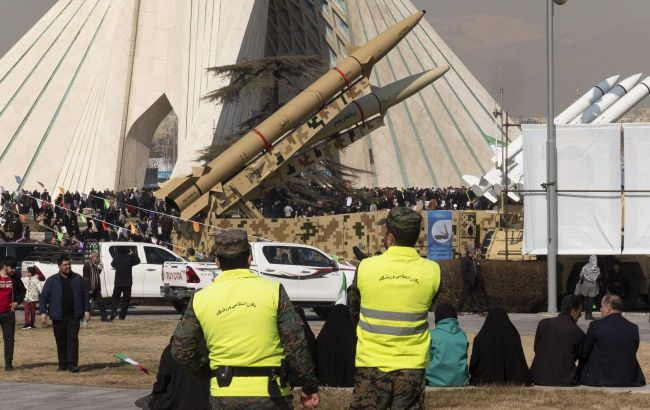 Iranian ballistic missiles (Photo: Getty Images)
US President Donald Trump has ordered the bombing of Iran for another three weeks, but the military has already run out of strategic targets to attack. The US leader now faces a critical decision: either a humiliating retreat or a ground operation, according to an analytical article in Politico.
Despite Trump's promises to strike even harder against Iran, military analysts are sounding the alarm. Most key targets have already been hit, the edition writes. The remnants of Iran's ballistic missiles are well hidden and located in fortified underground bunkers.
It is practically impossible to penetrate these military bunkers from the air alone. Without a ground invasion, these facilities will remain untouched.
"We can just keep working through a list of targets of ever decreasing significance and continue to piss them off to the point that the [Islamic Revolutionary Guard Corps] has a solid lock on the government and they feel justified in waging a holy war against the U.S. in perpetuity," a defense official told Politico.
Tehran's economic trap
Experts interviewed by the publication say that Iran is waging war not with tactics but through economic pressure. Tehran firmly holds the Strait of Hormuz, allowing the regime to control global oil markets.
At the same time, this pressure primarily affects Trump himself, as his voters are furious about the cost of gasoline. The Iranian strategy of waiting out the Americans is beginning to bear fruit, the article notes.
Experts name three main problems for the US:
- Important military targets have run out;
- The Strait of Hormuz remains blocked;
- Trump is under pressure, as he must choose between shame and a ground invasion.
What Trump might decide in Iran
Despite the trap, Trump still has options, as he could shift to striking civilian infrastructure.
"In no circumstance can Trump just walk away. He’ll be humiliated if he leaves; and we’ll be in a quagmire if he stays," a Pentagon source explains to journalists.
Trump himself has already hinted at expanding the target list. If negotiations do not accelerate, power plants and water treatment facilities could come under attack.
At the same time, US aircraft have so far avoided striking Iran's oil facilities. Trump believes they will be needed for the country's future reconstruction. However, the option of seizing Kharg Island — Iran's main oil export hub — is being considered. Such a move would require the involvement of tens of thousands of American soldiers.
Democrats in Congress have already expressed concern. They are demanding that Trump provide a clear exit strategy from the conflict.
What is the current situation around Iran?
Earlier, it became known that the Pentagon destroyed 90% of Iran's missile potential during the operation Epic Fury. However, the department did not expect the missile stockpile to be so large as to allow Iran to carry out counterattacks.
Meanwhile, France, China, and Russia effectively blocked the attempts of Gulf countries to secure UN Security Council authorization for military action against Iran. In this way, the Arab countries wanted to unblock the Strait of Hormuz. Today, on Friday, April 3, this resolution will be put to a vote again.
The Red Cross warns that Iran may run out of medical supplies. Trauma kits and other equipment could be exhausted if the war continues, the organization says.