Top Venezuelan opposition leaders walk free following Maduro’s ousting

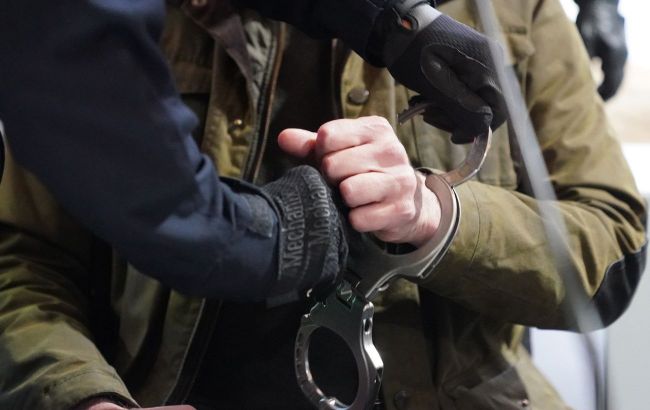 Prison release (Illustrative photo: Getty Images)
On February 8, Venezuela released several dozen political prisoners who had been detained under Nicolás Maduro’s regime, according to Juan Pablo Guanipa’s X account and the organization Comando ConVzla — an opposition group led by María Machado and Edmundo González — as well as by Reuters.
In total, 30 political prisoners are known to have been released.
After decades of political repression in Venezuela, the prison doors have opened for those whom Nicolás Maduro’s regime tried to keep closed for years.
Notable names
According to human rights organizations and the families of the prisoners, key allies of María Corina Machado — the leader who has been a driving force for change in the country — were among those released.
Juan Pablo Guanipa: One of the most prominent opposition figures, arrested in May 2025. After his release, he stated that he is ready to talk about the country’s future with truth at the forefront.
Freddy Superlano: Leader of the People’s Party Voluntad, who was abducted by intelligence agents after the 2024 presidential elections and held in isolation for an extended period. His wife has confirmed that Freddy is now finally safe.
Perkins Rocha: A leading lawyer for the opposition movement, whom the regime tried to convict of terrorism and had imprisoned since August of last year.
Rafael Tudares: Son-in-law of Edmundo González, sentenced to an absurd 30 years in prison for the political activities of his relative.
"My brothers, my comrades in the struggle, my Vente family — after so many months of abduction and injustice, today you can embrace your loved ones and be reunited with them (...) We will not stop until every political prisoner is freed and everyone returns home," reacted María Corina Machado following the release.
Henry, Perkins, Luis, Cathy, Dignora, María, Nikoll, Alby…
— María Corina Machado (@MariaCorinaYA) February 8, 2026
Mis hermanos, mis compañeros de lucha, mi familia Vente, después de tantos meses de secuestro e injusticia, hoy pueden abrazar a sus familias y reencontrase con los suyos.
Cuántas ganas de abrazarnos todos y de… pic.twitter.com/hpjmKBiZvg
The releases occurred amid increasing pressure from the US, which demanded the liberation of political prisoners. The human rights organization Foro Penal confirmed that, as of February 8, around 35 people had been released, and since January 8, a total of 383 political prisoners have regained their freedom. Additional cases are still under review.
Oil in exchange for freedom
The rapid release of prisoners is not only a domestic demand from Venezuelans but also part of a broader negotiation with the US.
Following Maduro’s removal, the new government is seeking:
- Sanctions relief: The White House has made it clear that access to oil markets and the unblocking of assets will only be possible if the judiciary is fully depoliticized.
- International recognition: Compliance with Interpol’s requirements and the cessation of political persecution are key for Venezuela’s reintegration into the global economy.
Future of the “Helicoide” prison
Meanwhile, Venezuela’s interim president, Delcy Rodríguez, announced the closure of the notorious Helicoide detention center in Caracas.
The facility, which human rights organizations have called a center of cruel treatment, will be completely repurposed. Plans include converting it into a sports complex and a social services center instead of prison cells.
US operation in Venezuela on January 3
On the night of January 3, US forces carried out strikes on Caracas, after which the Venezuelan government declared a state of emergency and mobilized the armed forces. Venezuelan authorities stated they would appeal to the UN and other organizations to condemn US actions.
At the same time, opposition leader María Corina Machado urged citizens to be ready to act according to official instructions.
Subsequently, Donald Trump announced the capture of Venezuelan dictator Nicolás Maduro and his wife Cilia Flores, who were brought to the US and charged with narco-terrorism, cocaine smuggling, and illegal possession of weapons.
Later that evening, in Kyiv time, Trump held a briefing in which he stated that the US would oversee Venezuela until power is officially transferred.
In court, Maduro declared that he remains the legitimate president and is a prisoner of war; the next hearing is scheduled for March 17, 2026.