This toilet part is full of dirt and bacteria — yet it is rarely cleaned properly

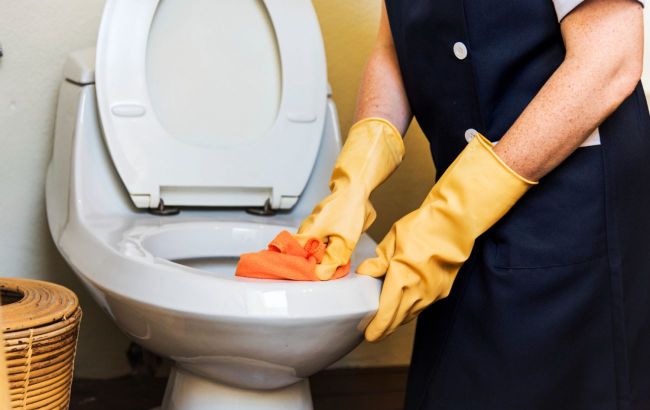 The part of the toilet everyone forgets to clean has been revealed (photo: Magnific)
Most people carefully clean the toilet bowl when doing housework, but they often ignore a detail that collects just as much dirt and bacteria. This is exactly the area that should be cleaned first to avoid unpleasant odors and hidden contamination, according to The Spruce.
Where everyone forgets to clean
Dirt accumulates around the floor near the silicone sealant and around the small decorative caps on the toilet fasteners.
The area around the toilet where it meets the floor is especially prone to buildup — the silicone sealant collects dirt and darkens over time. First, moisten the area with warm water and detergent and let it sit for a few minutes to soften the grime.
Then gently scrub along the seam with a brush, especially in areas with dark stains or buildup.
If there is heavy dirt or yellowing, you can use a mild chlorine-based cleaner or a specialized bathroom cleaner, but avoid excessive scrubbing to prevent damage to the silicone. After cleaning, wipe everything thoroughly with a damp cloth to remove any remaining product.
At the same time, it is worth cleaning the area beneath the caps covering the toilet mounting bolts. They should be carefully lifted or removed (depending on the model).
Dust, limescale, and sometimes a damp, dirty film usually accumulate underneath them. These areas should first be soaked with a cleaning solution, then cleaned with a small brush or a cotton swab if the space is very tight.
How often to clean the toilet
Every day, you should quickly wipe the seat, flush button, and other frequently touched areas. If there is any dirt, clean it immediately — this takes 1–3 minutes and prevents buildup.
Twice a week, a more thorough cleaning is needed: wash inside the toilet bowl, clean external surfaces (lid, tank, base), and wipe the floor around it.
Once a week or slightly less often, deeper cleaning should be done: under the rim, around the seat hinges, and other hard-to-reach areas. You can also remove limescale if it appears.
How to remove limescale from the toilet
Limescale in the toilet appears due to hard water, urine scale, or rust. It can be removed without complicated products if done correctly.
The easiest way is to use vinegar or citric acid. Vinegar is poured into the bowl so that it covers the dirty areas, especially under the rim and on the walls.
If using citric acid, dissolve it in hot water and apply it to the buildup as well. Then leave it for at least 1–3 hours, or preferably overnight, so the acid can dissolve the deposits. After that, use a toilet brush to thoroughly clean the surface and flush.