This seasonal vegetable is proven to be powerful inflammation fighter

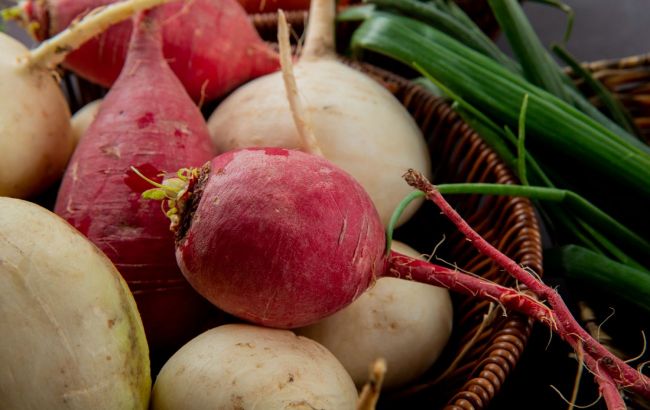 What are the benefits of radish (photo: Freepik)
Radish is one of the first spring vegetables, and right now it provides maximum benefits for the body. After winter, when the diet is often poorer in fresh products, this bright root vegetable helps quickly replenish vitamins and minerals.
RBC-Ukraine reports why you should not limit radish to salads and how to eat it properly.
Why radish is beneficial
Hormonal balance support
Endocrinologist Olesia Pidmurniak explained on Instagram that radish contains glucosinolates — biologically active compounds that transform during digestion and activate detoxification enzymes in the liver.
As a result, this supports hormonal balance and reduces the risks associated with impaired estrogen metabolism.
Blood sugar and insulin regulation
Radish has a low glycemic index and contains dietary fiber, which slows down glucose absorption in the intestines. This helps stabilize blood sugar levels, reduce insulin spikes, and improve tissue sensitivity to insulin.
Therefore, radish can be a useful part of the diet for insulin resistance and metabolic syndrome.
Anti-inflammatory and metabolic benefits
Chronic low-grade inflammation is one of the key mechanisms behind endocrine disorders, including obesity and insulin resistance.
Radish contains antioxidants (vitamin C, phenolic compounds) that help reduce oxidative stress, support normal cell function, and lower inflammation levels.
Digestive support
The doctor noted that radish stimulates the production of digestive juices and bile, and also supports normal intestinal motility. Therefore, it positively affects detoxification processes and overall metabolism.
What radish contains
Dietitian and nutritionist Liudmyla Matishynets explained on Instagram that radish is 95% water. It also contains fiber, vitamin C, potassium, and plant bioactive compounds.
“Radish is a cruciferous vegetable (like broccoli, cabbage, arugula). It contains glucosinolates — compounds that are actively being studied,” the post says.
It contains only 10–15 kcal per serving, but at the same time:
- Adds texture;
- Provides crunch;
- Makes food tastier;
How to eat it
Radish is best not only in salads, but also added to:
- Eggs or omelets;
- Cottage cheese / yogurt;
- Sandwiches;
- As a crunchy side to main dishes.
This material is for informational purposes only and should not be used for medical diagnosis or self-treatment. Our goal is to provide readers with accurate information about symptoms, causes, and methods of detecting diseases. RBС-Ukraine is not responsible for any diagnoses that readers may make based on materials from the resource. We do not recommend self-treatment and advise consulting a doctor in case of any health concerns.