These 10 beaches look unreal: Sand in pink, green, and even black

 Where to find pink, black, and green beaches around the world (photo: Wikipedia)
When we think of a beach, we usually imagine white or yellow sand. But nature has created places where sand can be pink, green, black, or even purple. This isn’t Photoshop — these are real beaches with incredible sand colors.
RBC-Ukraine tells you where to find colorful beaches and why the sand looks this way.
Why sand can be colorful
The color of sand depends on what it’s made of. Ordinary yellow or white sand is crushed quartz and coral fragments. But when other minerals or organic materials mix in, the sand takes on amazing hues.
What affects the color:
-
Volcanic lava — creates black sand
-
Coral fragments and pink shells — create pink sand
-
Olivine (volcanic mineral) — gives green sand
-
Manganese ore — turns sand purple
Pink beaches
Pink Sands Beach (Bahamas, Harbour Island)
-
Why pink: The sand is made of crushed shells of microscopic organisms called foraminifera. Their pink and red shells mix with the white sand, creating a delicate pink shade.
-
Where: Harbour Island, Bahamas, 80 km from Nassau
Special features:
-
5 km long beach
-
Soft pink sand that doesn’t burn your feet, even in the sun
-
Crystal-clear turquoise water
Elafonissi Beach (Greece, Crete)
-
Why pink: Crushed pink shells and coral fragments. The pinkest shade appears where the water meets the shore.
-
Where: Southwest coast of Crete, 75 km from Chania
Special features:
-
Shallow, warm water (perfect for children)
-
Sand color changes with the light — best at sunset
-
Protected natural area
Pantai Merah (Indonesia, Komodo Island)
-
Why pink: Pink coral fragments mix with white sand. One of only seven pink beaches in the world.
-
Where: Komodo National Park, Indonesia
Special features:
- Home to Komodo dragons (monitor lizards up to 3 meters long)
- Best snorkeling: coral reef right at the shore
- Low crowds due to challenging logistics
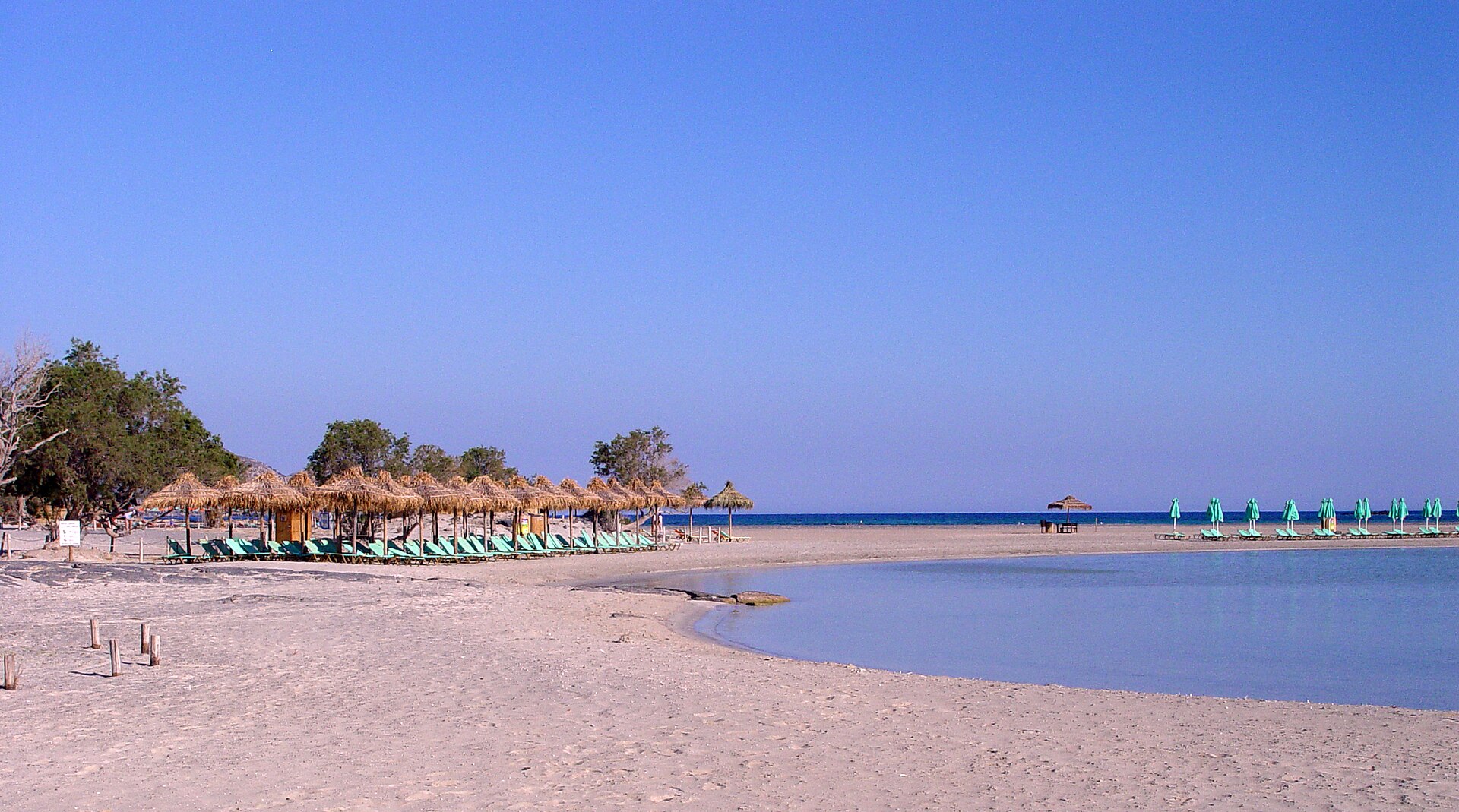 Elafonissi Beach (photo: Wikipedia)
Green beaches
Papakolea (Green Sand Beach) (Hawaii, Big Island)
-
Why green: The sand is made of olivine, a semi-precious volcanic mineral. Olivine is heavier than ordinary sand, so the ocean washes away the lighter particles, leaving the green crystals behind.
-
Where: Southern part of Hawaii’s Big Island, near Mahana Bay
Special features:
-
One of only four green beaches in the world
-
Located in the crater of an ancient volcano
-
Steep path down to the beach
-
Important: removing green sand is forbidden and can be fined up to $10,000
Kourou Beach (French Guiana)
-
Why green: The sand contains a high concentration of volcanic minerals, giving it a dark green, almost olive shade.
-
Where: Kourou, French Guiana (South America)
Special features:
-
Near the spaceport (Ariane rockets are launched from here)
-
You can watch a rocket launch from the beach
-
Remote and wild beach
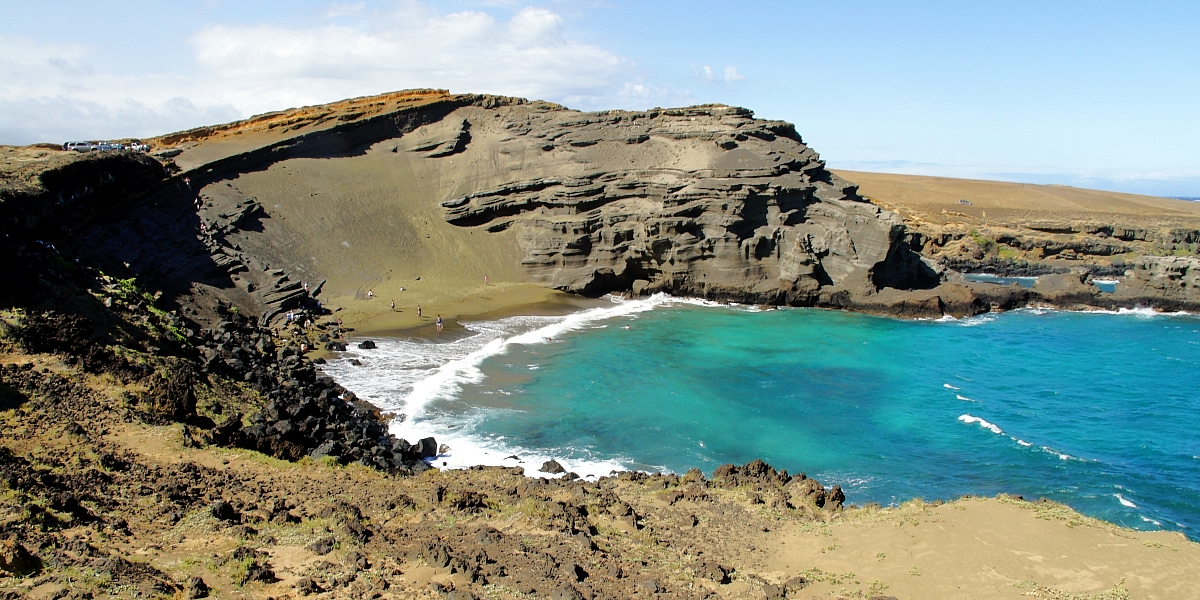
Papakolea, Green Sand Beach (photo: Wikipedia)
Black beaches
Reynisfjara Beach (Iceland)
-
Why black: The sand formed from basalt lava, which solidified and broke into fragments under the ocean’s action. This is the result of volcanic activity.
-
Where: South coast of Iceland, near the town of Vík, 180 km from Reykjavík
-
Special features:
-
Black sand, basalt columns, and rock pillars in the water
-
One of Europe’s most dramatic coastlines
-
Dangerous: strong “sneaker waves” can sweep people into the ocean
-
Punaluu Beach (Hawaii, Big Island)
-
Why black: Lava from Kīlauea volcano flowed into the ocean, instantly cooled, and broke into small fragments.
-
Where: Southeastern coast of Big Island, between Volcano and Naalehu
-
Special features:
-
Often visited by green sea turtles (do not disturb them)
-
Contrast: black sand + green palm trees + turquoise water
-
Sand gets extremely hot in the sun — footwear required
-
Perissa Beach (Greece, Santorini)
-
Why black: Santorini is a volcanic island. The black sand is remnants of volcanic eruptions that occurred thousands of years ago.
-
Where: Southeastern coast of Santorini
-
Special features:
-
Santorini’s longest black sand beach (7 km)
-
Well-developed infrastructure: sunbeds, bars, taverns
-
Perfect for photos: contrast of black sand and white buildings
-
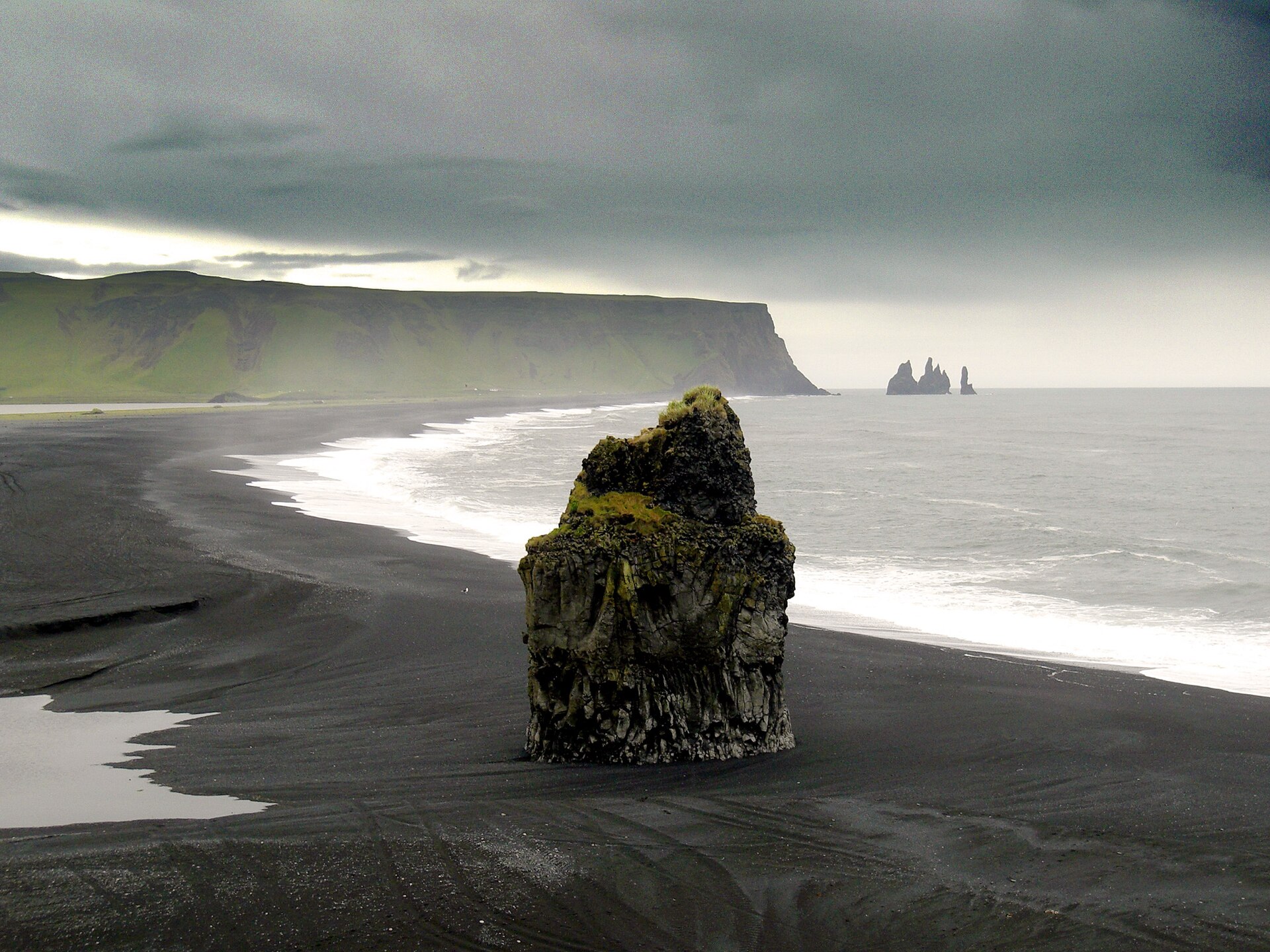 Reynisfjara Beach (photo: Wikipedia)
Purple beach
Pfeiffer Beach (USA, California)
-
Why purple: The cliffs above the beach contain veins of manganese ore. When the rock erodes, the purple particles mix with the sand, creating an amazing effect.
-
Where: Big Sur, California, 45 km south of Carmel
Special features:
-
The color is brightest after rain or during low tide
-
Keyhole Rock arch in the cliffs — perfect view of the sunset
-
Paid entrance: $15 per car
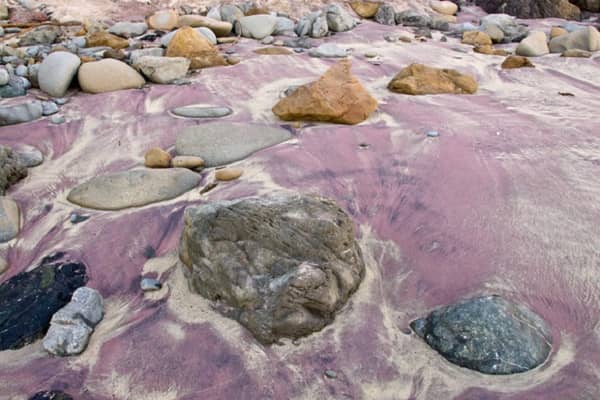
Pfeiffer Beach (photo: Wikipedia)
Snow-white beach (bonus)
Hyams Beach (Australia)
-
Why so white: Listed in the Guinness World Records as the beach with the whitest sand in the world. The sand consists of pure quartz with no impurities.
-
Where: Jervis Bay, New South Wales, 200 km from Sydney
Special features:
-
The sand is so white it can dazzle your eyes in the sun
-
Soft like flour
-
Clear turquoise water — dolphins are often visible
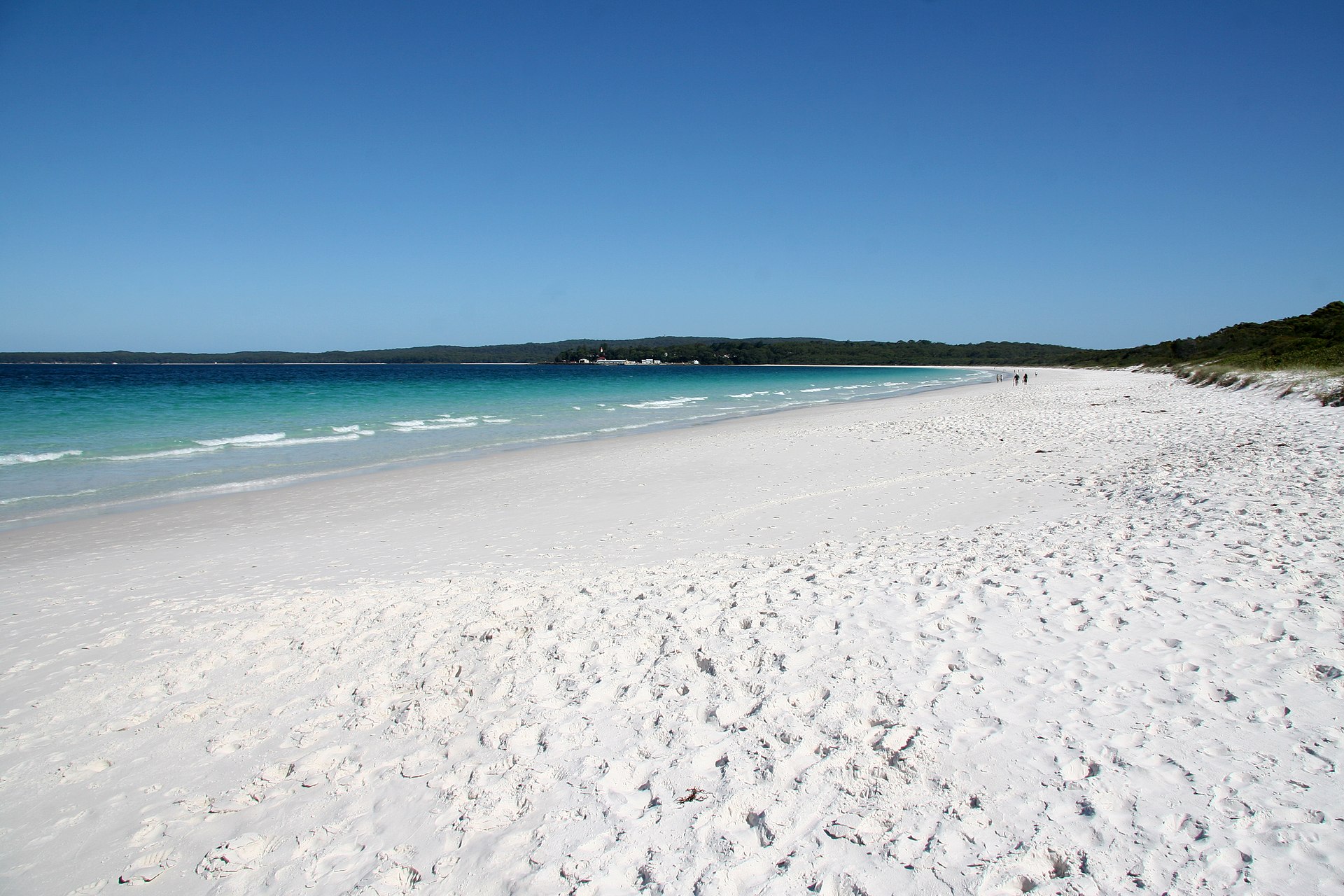 Hyams Beach (photo: Wikipedia)
This Australian beach is famous for having some of the whitest sand in the world. The sand is almost pure quartz, soft as flour, and sparkles under the sun. Its clear turquoise waters often host playful dolphins, making it a favorite destination for beach lovers.