Tankers flee Persian Gulf amid Trump blockade — Reuters

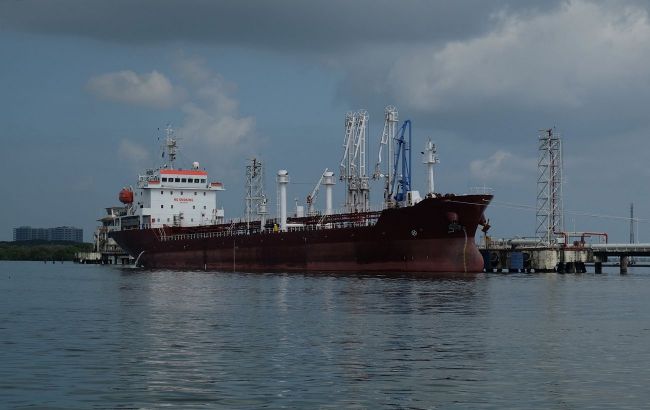 Photo: Oil tanker (Getty Images)
Following the US military’s announcement of an operation to block all ships traveling to or from Iran, oil tankers are already changing their routes. Trump faces a test: he could leave Iran stranded with the blockade, or he could lose, Reuters reports.
According to data from the LSEG and Kpler maritime systems, chaotic ship movements are currently being recorded. Ship captains are trying to get ahead of the start of the military operation.
The vessel Mombasa B (Liberia) is currently ballasting inside the Persian Gulf. The giant tanker Agios Fanourios I, flying the Maltese flag, has turned around near the Gulf of Oman and dropped anchor.
All or nothing: what Trump is risking
Experts call this move by US President Donald Trump very risky, as the blockade requires the constant presence of numerous warships. If the plan works, Iran will lose its main tool of influence, oil blackmail.
However, experts doubt its long-term success. The mission requires enormous resources, and it will be difficult for the US to maintain the blockade on its own for months.
"Trump wants a quick fix. The reality is, this mission is difficult to execute alone and likely unsustainable over the medium to long-term," says Dana Stroul, a former senior Pentagon official.
Tankers often transport oil for major players such as China or India. A blockade would mean conflict not only with Iran. Beijing is unlikely to sit idly by, analysts say.
Tehran also has ways to respond. Iranian forces could attack US infrastructure in the region. US bases in the Persian Gulf countries would be at risk.
"I honestly believe that if we begin to do it, that Iran will have some kind of a reaction," warns retired Admiral Gary Roughead.
A blockade could cause oil prices to plummet if it succeeds quickly. But a protracted war at sea would have the opposite effect. The market is bracing for the worst-case scenario, and morning trading opened with oil prices rising to $102 per barrel.
What led up to Trump’s blockade
The main factor was the failure of the US-Iran talks in Pakistan. The parties failed to reach an agreement on any issue.
At the same time, Trump himself described the talks as good. According to him, the parties agreed on many issues.
Meanwhile, the United Kingdom confirmed that it would not participate in the blockade of ships alongside the US. They emphasized that they are currently working with France to create a broad coalition to protect freedom of navigation.