Türkiye tightens access to Black Sea as attacks surge — Bloomberg

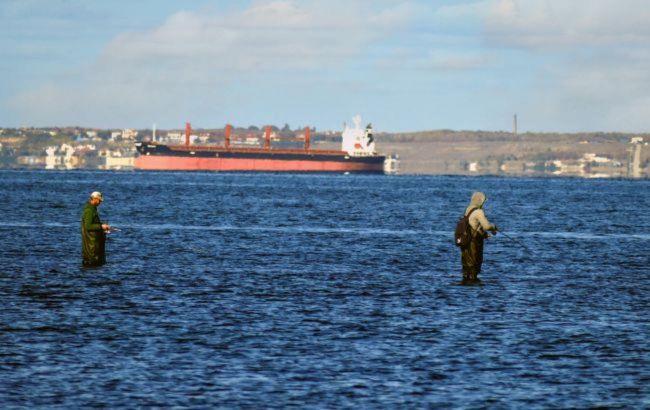 The country is restricting some commercial ship traffic amid increasing number of attacks on vessels in the area (photo: Getty Images)
Türkiye restricts some commercial shipping in the Black Sea. Ankara is concerned by a surge in attacks on vessels, Bloomberg reports.
Details of restrictions
According to sources familiar with the situation, Türkiye's Directorate General of Coastal Safety informed several vessels bound for Russia's Novorossiysk that transit permits were being suspended or that additional time would be needed to process their applications to pass through the Dardanelles.
Novorossiysk is a key hub for oil and grain exports. Sources say some vessels were told that the restrictions also apply to ships bound for Ukraine. Authorities have not provided an official explanation for the decision.
Who is not affected by restrictions
Vessels bound for other destinations do not appear to have been affected. According to vessel-tracking data compiled by Bloomberg, ships headed for ports in Bulgaria, Romania, Georgia and Turkey continued sailing north through the Dardanelles on August 8.
Why Ankara took this step
Earlier this week, Türkiye's Foreign Ministry said that a number of its citizens were injured in drone attacks on two Turkish vessels.
"We reiterate our call to all relevant actors, especially the warring parties, to urgently implement concrete measures to ensure navigational safety in the Black Sea," the Turkish Foreign Ministry said in a statement.
Ankara warned that an escalation would have "multifaceted negative consequences," including for food security.
Risks to global trade
Last month, a Turkish vessel was also targeted near the Caspian Pipeline Consortium oil terminal at Novorossiysk.
It was one of a series of strikes that have repeatedly forced the facility to suspend and resume loading operations.
The delays threaten to disrupt global trade at a time when oil flows have already been affected by the war in Iran and reduced volumes through the Strait of Hormuz.
In addition, the intensifying attacks in the Black Sea have raised concerns over grain supplies from the region, contributing to a rise in wheat prices to a two-year high in July.
It requires Türkiye to maintain freedom of navigation for merchant fleets even during wartime, meaning Ankara cannot completely close the straits to Russian civilian vessels.
At the same time, shortly after the start of the full-scale invasion, Türkiye invoked the convention's provisions and closed the straits to warships belonging to the warring parties.
The straits remain the only maritime gateway for Ukrainian exports and imports, and the "grain corridor" also operated through them.