Sweden announces new military support for Ukraine with focus on air defense

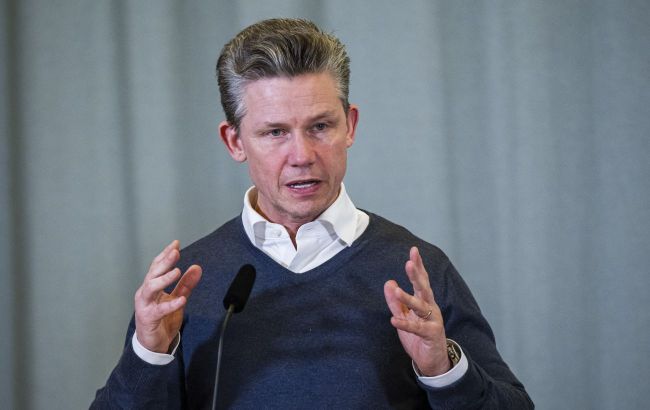 Photo: Pål Jonson, Sweden’s Minister of Defense (Getty Images)
Sweden will provide Ukraine with a military aid package worth 12.9 billion kronor (€1.2 billion). In particular, it will include a Tridon Mk2 air defense system, states Sweden’s Minister of Defense Pål Jonson, according to SVT.
Read also: Ukraine to receive unique weaponry equipped with anti-drone radar
He added that the first part of the package, worth 4.3 billion kronor (€404 million), provides the purchase and transfer to Ukrainian soldiers of weapons systems to defend against Russian drones. This includes the Tridon air defense system, as well as air defense missiles and interceptor drones. All of it is to be mounted on vehicles.
Another 5.6 billion kronor (€528 million) will be allocated to finance the development and production by Ukraine of long-range missiles and drones — both aerial and maritime.
A further 3 billion kronor (€282 million) will be used for grenade launchers previously in service with the Swedish Armed Forces, the procurement of artillery shells, spare parts, and the training of Ukrainian personnel.
Tridon Mk2
The Tridon Mk2 is a mobile short-range air defense system, primarily designed to counter drones, cruise missiles, and low-flying aerial targets.
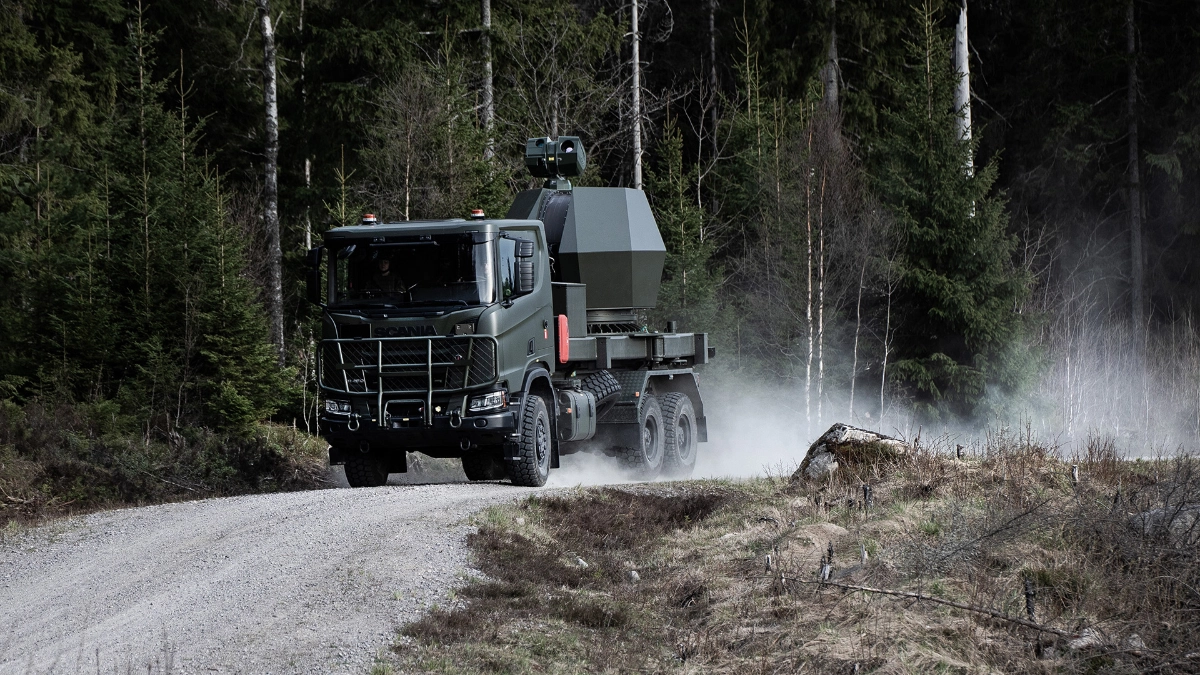
Photo: Tridon Mk2 system to be delivered to Ukraine (baesystems.com)
The system is configured as an automatic 40 mm anti-aircraft artillery gun mounted on a wheeled chassis, ensuring high mobility and the ability to be rapidly
deployed in areas covering troops, infrastructure, and critical facilities.
The system is integrated with modern detection and fire control systems, enabling it to operate effectively against targets in conditions of active electronic warfare.
On February 3, it became known that Sweden and Denmark were joining efforts to improve Ukraine’s air defense system. Approximately $290 million was allocated by the two countries for the purchase of Tridon anti-aircraft systems from BAE Systems Bofors.
The bulk of the funding — more than $235 million — will be provided by Stockholm, with the remainder contributed by Copenhagen.