Stop watering plants this way before they wilt overnight

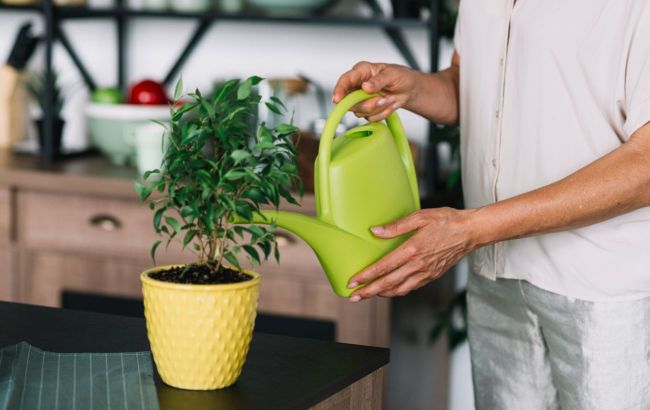 Main mistakes when watering plants (photo: magnific.com)
Improper watering often weakens plants, even in well‑tended gardens and indoor collections. Excess water can lead to root rot, while insufficient watering slows growth and causes leaves to wilt, according to the Good Housekeeping website.
Watering on a strict schedule
Plants don’t use water according to a calendar. One of the most common mistakes in plant care is watering every plant on the same schedule, whether it’s every Sunday or every three days.
If indoor plants are on a windowsill, they dry out faster than those standing on the floor.
Instead of following a fixed schedule, first check the soil. Stick your finger into the soil to a depth of 2.5–5 cm (1–2 inches). If it still feels moist, wait another day or two. This simple test helps you water your plants when they actually need it, rather than adhering to a strict schedule.
Confusing wilting with thirst
Wilting doesn’t always mean the plant is thirsty. In many cases, overwatered plants wilt because their roots are suffocating. When the soil remains constantly wet, the roots lack access to the oxygen they need to survive.
Over time, this can lead to root rot — a fungal disease that damages the root system even before symptoms appear above the soil.
Yellowing leaves, soft stems, fungus gnats, sour-smelling soil, and sudden dropping of green leaves are all common warning signs. In such situations, adding more water usually makes the problem worse.
Using pots without drainage
Using pots without drainage makes it much harder to maintain the proper soil moisture level. Excess water needs somewhere to drain, and without drainage holes, moisture accumulates at the bottom of the pot, keeping the roots in wet soil for too long.
If you want to use a decorative non-draining pot for your plants, place a plastic nursery pot with holes inside it and use the outer pot as a cachepot. You can also drill drainage holes in many ceramic or stone pots.
Shallow watering
Shallow watering encourages weak roots to remain near the soil surface rather than grow deeper, where moisture lasts longer. As a result, outdoor plants become less drought-tolerant, and potted plants often struggle because their root system never fully develops.
A better approach is to water thoroughly until the soil is evenly moist and excess water drains out, then allow the soil to partially dry out before watering again.
Deep watering promotes stronger, healthier roots and helps plants become more resilient over time.
Treating every plant the same way
Group plants with similar watering needs together to make care easier.
Different plants have different abilities to retain water. Some species store water in their leaves or stems (for example, succulents), so they can easily tolerate long periods without watering. If watered too often, their roots begin to rot.
Tropical plants generally need more consistently moist soil and regular watering, but without creating a "swamp" in the pot. In contrast, cacti and similar plants do better when the soil dries out completely between waterings.
Watering the leaves
Plants absorb most of their water through the root zone, not through wet leaves. Wet foliage can also encourage fungal diseases.
Instead, direct water to the base of the plant so it reaches the root zone where it's truly needed. Use a gentle spray pressure so the water has time to slowly soak into the soil rather than running off the surface.