Stop using hot water on glasses and jewelry, experts warn

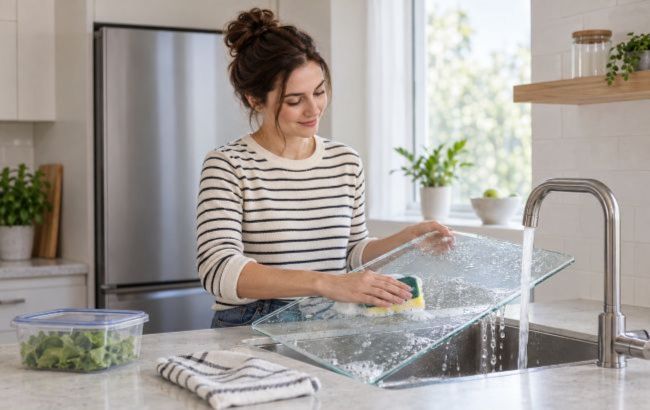 Your fridge shelves can crack when exposed to hot water (photo: Styler)
Hot water can warp plastic, damage eyeglass coatings, and weaken the adhesive on makeup brushes. Sudden temperature changes can also damage cold glass.
RBC-Ukraine explains how to clean different materials based on manufacturer recommendations and industry experts' advice.
It's not just the water temperature that matters; the item's temperature matters too. For example, a cold glass refrigerator shelf can crack even when you expose it to warm water. For other items, restrictions depend on the material, coating, or glued components, so no single water temperature works for everything.
Lacquered wooden furniture
Before cleaning a lacquered table or dresser, check the finish's care instructions. For example, furniture manufacturer Artek advises against using hot water on its lacquered wooden surfaces.
For routine care, the company recommends using a soft cloth dampened with a solution of water and a neutral cleaning agent. After cleaning, wipe the surface dry.
Do not leave furniture wet or soak it with water.
Cold window glass
Do not clean a cold window with very hot or boiling water. Saint-Gobain Glass, a glass manufacturer, warns that sudden temperature changes during cleaning can cause cracks.
Use a soft cloth and a suitable glass cleaner, avoiding any sudden heating of the surface.
Glass refrigerator shelves
Do not wash a glass shelf with hot water immediately after removing it from the refrigerator. Samsung warns that even warm water can crack cold glass because of the sudden temperature change.
Let the removed shelf warm up at room temperature. Then wash it with warm water, a mild detergent, and a sponge or cloth. Wipe the surface dry afterward.
Plastic containers and lids
Check the temperature limits for each specific product. For example, Tupperware recommends using warm water instead of boiling water, as excessive heat can warp plastic and compromise the seal on a lid.
For routine washing, use warm water, detergent, and a soft sponge. Rinse off all detergent residue thoroughly, then dry the container and lid before storing.
Eyeglasses
Eyewear brand Warby Parker warns against cleaning lenses with hot water because high temperatures can damage their special coatings.
Rinse your glasses under lukewarm running water. Apply a drop of dish soap without added lotion to each lens, then gently rub both sides of the lenses and the frames with your fingers. Rinse off the soap and dry the glasses with a clean microfiber cloth.
Makeup brushes
Do not use hot water to remove foundation or eyeshadow residue. According to e.l.f. Cosmetics, hot water can damage the bristles and weaken the adhesive that holds them in place.
Wet the bristles with lukewarm water, keeping the brush pointed downward. Clean it with a brush cleanser according to the product instructions, then rinse thoroughly. Avoid getting water into the joint where the bristles meet the handle.
After cleaning, gently blot the brush with a towel and leave it to dry horizontally, with the bristles extending over the edge of a surface.
Plastic building blocks
Check the water-temperature guidelines in the instructions for your specific brand of building blocks. For example, LEGO recommends hand-washing its pieces in water no hotter than 40°C. Excessive heat can change their shape.
Use a soft sponge or cloth. If necessary, add a mild detergent, then rinse the pieces thoroughly with clean water.
For LEGO electronic components and delicate parts containing metal, the company recommends wiping them with a cloth slightly dampened with water and a mild, fragrance- and oil-free detergent.
Do not put LEGO pieces in a washing machine or dishwasher, and do not dry them with a hair dryer or in direct sunlight.
Jewelry with pearls and opals
The Gemological Institute of America (GIA) warns that excessive heat can change pearl color and cause them to crack. Opals can also crack when exposed to high temperatures or sudden temperature changes.
After wearing pearls, wipe them with a clean, soft cloth. For occasional deeper cleaning, GIA permits warm, soapy water. If the pearls are strung on a thread, let it dry completely before wearing them again. Do not use steam or ultrasonic cleaners.
Clean opals with warm, soapy water, but consider the setting type. If the stone is made of bonded layers, prolonged water contact can weaken the adhesive. Check the manufacturer's care instructions before cleaning, especially if you do not know how the jewelry was made.
Also, RBC-Ukraine previously explained how to clean a washing machine.