SpaceX rocket explodes in the Indian Ocean after test flight

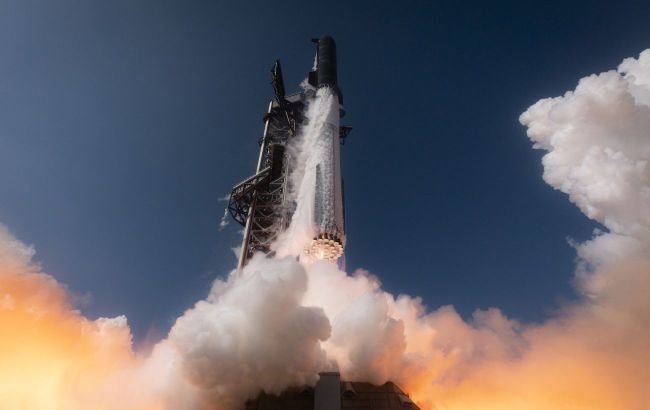 Photo: Starship V3 rocket launch (x.com/SpaceX)
After completing its test flight, SpaceX's Starship V3 exploded in the Indian Ocean immediately after splashdown, according to The Telegraph.
How the flight went
Starship V3 launched from a new launch pad at the Starbase facility in Texas, just two days after Elon Musk announced SpaceX’s move toward an IPO. A previous launch attempt on Thursday was canceled due to technical issues at the pad.
During the hour-long flight, which covered half the globe, the rocket deployed 20 Starlink satellite mockups. Two of them were equipped with cameras, marking the first time in the program’s history that video was recorded directly from the rocket in flight.
Not everything went perfectly: during the booster’s return, not all engines ignited. The spacecraft itself also operated with fewer active engines than planned but continued its trajectory at an altitude of 194 kilometers.
Explosive ending
Starship entered the Indian Ocean vertically in line with the mission plan, but at the last moment tipped over and ignited. The splashdown in the ocean was part of the mission design. Nothing was intended to be recovered in this test flight — neither the booster in the Gulf of Mexico nor the spacecraft itself.
Why it matters
Starship V3, standing 124 meters tall, surpasses previous versions in both size and engine thrust. NASA is paying SpaceX billions of dollars to develop a lunar lander for the Artemis program, and Starship is intended to deliver astronauts to the Moon. NASA Administrator Jared Isaacman said the rocket is now one step closer to a lunar mission.
Elon Musk's ultimate goal is to send humans to Mars.
Earlier, RBC-Ukraine reported that Starship V3 marks a transition from testing to real deep-space missions.