Scared of Merz: Politico reveals why Belgium sabotaging Ukraine's reparations loan

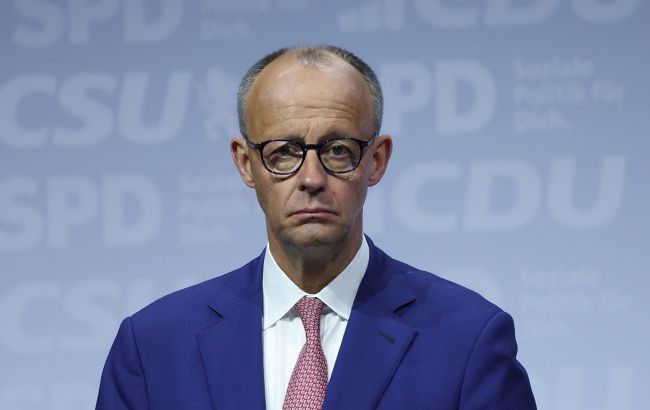 Photo: German Chancellor Friedrich Merz (Getty Images)
European plans to provide reparations loans have met with fierce resistance from Belgium. Officially, Belgian Prime Minister Bart De Wever says he fears retaliation from Russia, but that is definitely not the problem, according to Politico.
De Wever's fierce opposition has literally torpedoed the European Union's initiative to provide Ukraine with a €140 billion reparations loan from Russian assets. The first problems arose when tensions began to rise between De Wever and Germany's new Chancellor Friedrich Merz, the agency notes.
Back in September, Merz said that it was time for Europe to conduct raids on bank vaults — referring to the need to use Russia's frozen assets to help Ukraine. Apparently, this is what scared the Belgian government, which was in private talks with European Union officials at the time.
False start
Several sources among officials said that Merz's statement was very untimely — he prematurely announced the EU's desire to seize Russia's assets. This was even before Wever managed to get the EU to agree to the idea. European Commission President Ursula von der Leyen even had to make a public statement to reassure Belgium.
At the same time, even Belgium's ambassador to the EU, Peter Moors, a close associate of former Belgian Prime Minister Alexander De Croo, did not know exactly what De Wever would do. Moors assured officials that Belgium would not block the decision on the reparations loan.
"That meant nobody in the EU machinery really understood just how serious De Wever’s opposition was going to be until he arrived on summit day with steam coming out of his ears," the agency writes.
Reparations deadlock
The blocking of the reparations loan by Weber, who is demanding other options, has left the EU with only two options for financing Ukraine's needs: ask EU national governments to find funds to provide Kyiv with cash grants, or issue joint debt obligations.
Most EU countries consider both options unacceptable. The position of diplomats has not changed: Russia must pay for everything.
"We are not keen on that. The principle of saying Russia needs to pay for the damage is right," one of the agency's interlocutors summed up.
Russian assets and Belgian sabotage
Meanwhile, Wever made a scandalous statement, saying that Belgium believes Russia will not lose the war in Ukraine. Weaver dared to say that all statements about its defeat are, so to speak, a fairy tale and a complete illusion. Therefore, after the war, the assets will have to be returned to the Kremlin. In addition, the Belgian Prime Minister complains that Russia has openly threatened Belgium with eternal retribution if it confiscates the assets.
In general, Belgium is constantly coming up with new excuses to sabotage the confiscation of Russian assets. For example, Wever himself said that this could allegedly lead to serious economic and geopolitical consequences.
However, the situation is actually somewhat more interesting. In particular, some media outlets directly link Wever himself to Russian interests due to his numerous visits to Russia before 2022. Even more interestingly, there is growing suspicion in the EU that Belgium is appropriating income from Russian assets instead of transferring it to Ukraine.
Recently, European countries have directly accused Belgium of excessive demands regarding the protection of frozen Russian assets. The EU is considering how to break Brussels' resistance and unblock the reparations loan.