Scandalous resolution: German AfD moves to cut Ukraine weapons and sanctions on Russia

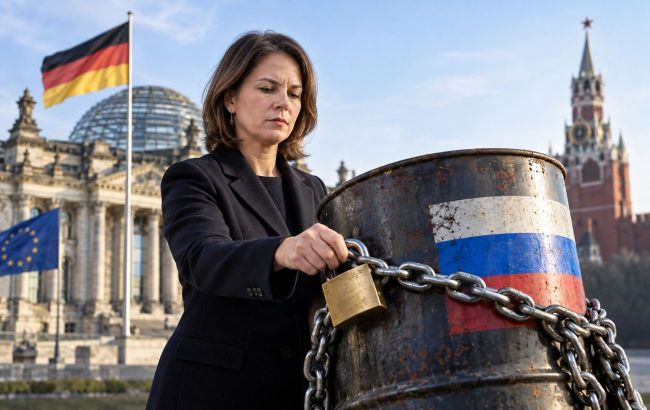 Illustrative photo: German far-right and populist parties demand lifting sanctions on Russia (RBC-Ukraine collage)
The Alternative for Germany (AfD) party and the Sahra Wagenknecht Alliance (BSW) plan to adopt their first joint resolution in the parliament of the state of Saxony-Anhalt, demanding an end to aid for Ukraine and the lifting of sanctions against Russia, according to Spiegel.
As Spiegel notes, deputies from the AfD and BSW have prepared a draft resolution regarding Russia's war against Ukraine.
The document proposes declaring that the policy of sanctions against Russia, as well as the provision of weapons and financial support to Kyiv, has allegedly failed.
The authors of the initiative call on the state government to use all available opportunities, including in the Federal Council (Bundesrat), to halt arms supplies and return to economic relations with Moscow.
They identify an immediate ceasefire and peace negotiations with Russia as the main instruments for achieving this.
AfD politician Ulrich Siegmund stated that they would finally exhaust all possibilities to increase political pressure on Berlin to advocate for ending the war rather than prolonging it and spending billions of taxpayers’ money on people in their country instead of weapons on the battlefields of Ukraine.
At the same time, the document emphasizes that reaching a compromise between pro-Russian parties on this issue does not imply their full cooperation in other areas.
Claudia Wittig, deputy head of the BSW parliamentary group, noted that this did not mean at all that they had to support any other position of the AfD.
Since key foreign policy decisions are made in Berlin and Brussels, this proposal will be primarily symbolic in nature.
A special session of the Saxony-Anhalt parliament is planned to be convened in Magdeburg to consider and discuss this initiative.
The meeting is expected to take place on October 14.
German politicians and intelligence services have repeatedly emphasized the Kremlin's attempts to influence domestic politics in Germany.
In particular, German Chancellor Friedrich Merz accused Russia of supporting the AfD and identified its goal: to weaken aid to Ukraine. According to him, Moscow seeks to split German society and undermine support for Kyiv.
Earlier, following the success of the far-right party in regional elections, he warned that the AfD's victory had shaken Germany: Merz cautioned about the consequences for Ukraine and the West.
The politician emphasized the risks of the growing influence of pro-Russian forces for the security of the entire European continent.