Russian Primorsk port loses nearly half of its oil storage after attacks, Reuters reports

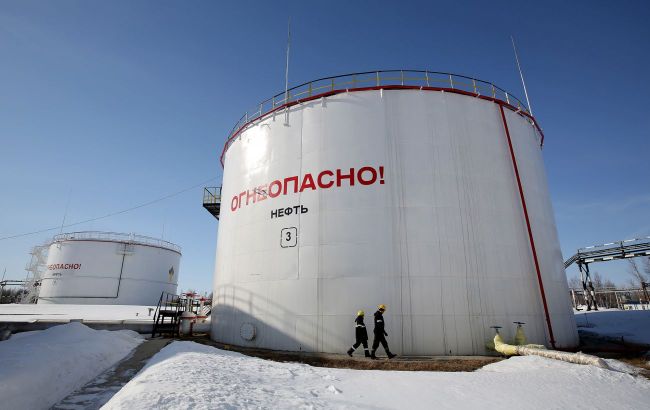 Photo: Primorsk port is losing oil storage tanks (Getty Images)
Due to Ukrainian drone attacks, Russia’s Baltic Sea port of Primorsk has lost at least 40% of its oil storage capacity, Reuters reports.
Impact of the strikes on Primorsk
According to the agency, satellite images by US company Vantor show damage to at least eight storage tanks, each with a capacity of 50,000 cubic meters.
This accounts for nearly half of the port’s total storage capacity. Primorsk is capable of handling up to 1 million barrels of oil per day (around 1% of global supply).
Industry sources say two of the eight heavily damaged tanks were used for diesel fuel transfers.
Traders note that such losses will force the port to significantly reduce turnover, as storage availability directly affects export capacity.
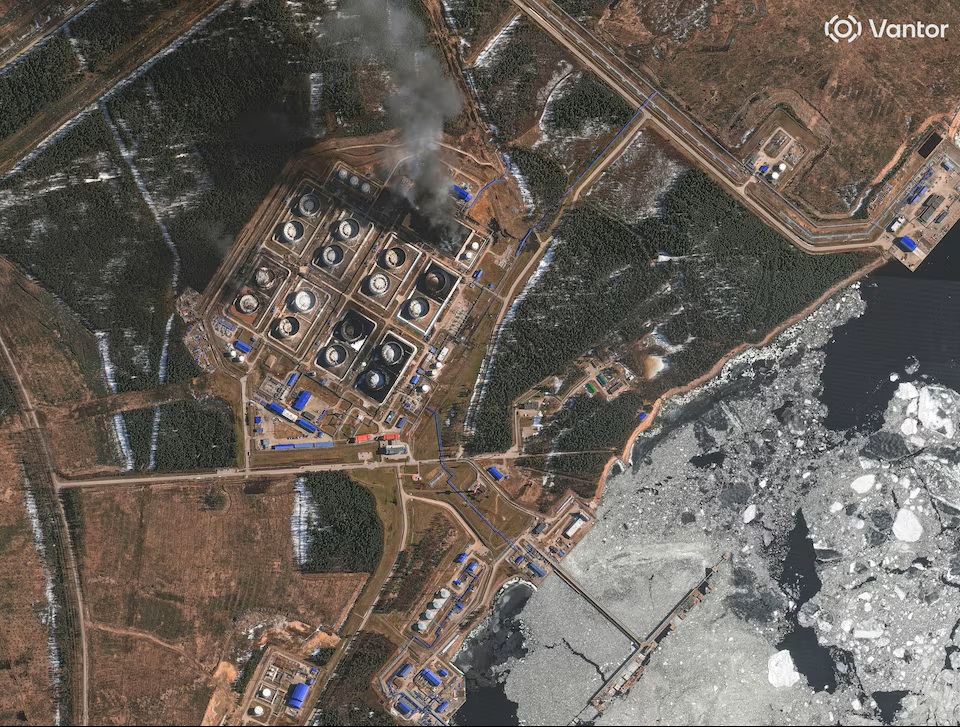
Photo: satellite image of damaged oil storage tanks after the attack in Primorsk (Reuters)
Situation at Ust-Luga port
In addition to Primorsk, another Baltic Sea terminal, Ust-Luga, came under repeated attacks in late March.
Damage was recorded to eight oil product storage tanks there, accounting for about a quarter of the total storage capacity of the Ust-Luga Oil terminal. Due to attacks and damage to berthing infrastructure, export operations at the port were also suspended.
Kremlin spokesman Dmitry Peskov, commenting on the strikes on energy facilities, called them "terrorist attacks" and said Russia is working to protect its critical infrastructure.
Russia’s oil paralysis
As previously reported, large-scale Ukrainian drone attacks on the ports of Ust-Luga and Primorsk have effectively paralyzed Russia’s Baltic Sea oil exports.
In just the last week of March, Russia’s seaborne crude exports collapsed, costing the Kremlin more than $1 billion in revenue.
In addition, repeated strikes on infrastructure have led to overflowing storage facilities in Russia, as shipments are blocked. Analysts say this situation makes oil production cuts in Russia inevitable, as there is nowhere to store it.