Russia to keep sabotaging NATO's critical infrastructure in Baltics — Reuters

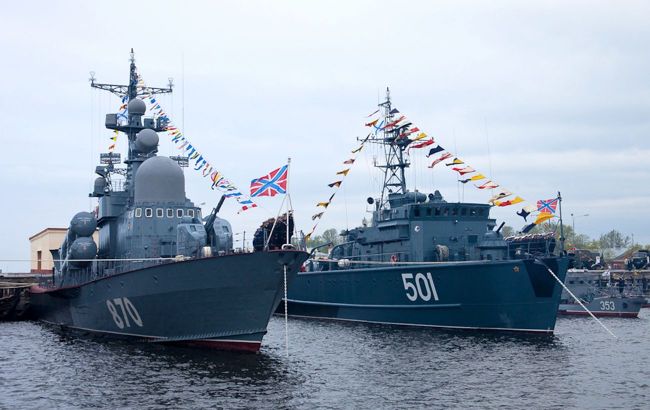 Illustrative photo: Russian Baltic Fleet (Getty Images)
Finnish intelligence believes that the Russian regime will continue its attempts to attack and damage critical infrastructure in NATO countries in the Baltic Sea, as Russia has done in recent years, Reuters reports.
Finnish military intelligence assumes that Russia will continue its attempts to attack critical infrastructure, as it has done since 2022. NATO countries in the Baltic region are on high alert after a series of incidents.
Russia's actions have already caused disruptions to power grids, telecommunications lines, and gas pipelines in the Baltic region. The latest incident occurred on New Year's Eve, when Finland detained a Russian cargo ship on suspicion of sabotaging an underwater telecommunications cable.
NATO is responding to Russia's actions by strengthening its military presence in the region. More frigates, aircraft, and naval drones have been deployed in the Baltic Sea. However, Finnish Chief of Intelligence Major General Pekka Turunen believes that Russia will not stop trying to sabotage NATO's underwater infrastructure.
"It is unusual that this (so many incidents) occurs. The change is real," he says.
Russia denies involvement in the incidents, but it is clear that the Kremlin is lying. Recently, the number of incidents has increased not only at sea in the Baltic, but also on land in the Baltic region.
"The phenomenon is most likely related to increased vigilance and a lower threshold of reporting, but there is also genuine intelligence-gathering relating to military national defence in these numbers," the Finnish Defense Command notes.
At the end of December 2025, it became known that the governments of NATO member states were making decisions to strengthen their fleets and presence in the Baltic Sea amid Russian attacks on critical underwater infrastructure.
NATO also stepped up patrols as part of Operation Baltic Sentinel. However, the ability to inspect ships is still very limited due to international law.