Russia strikes Ukraine's Lviv region infrastructure: Aftermath revealed

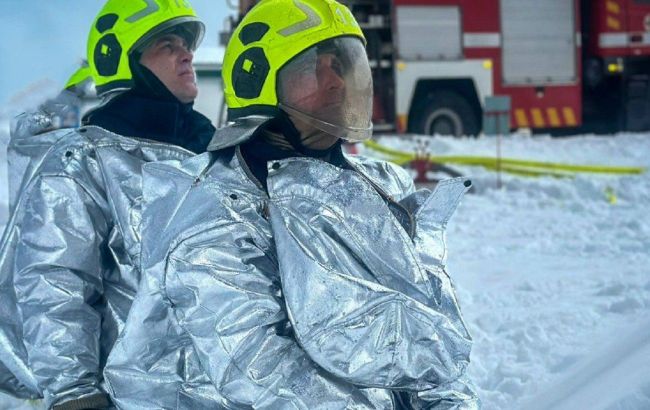 Photo: Russia strikes infrastructure in Lviv region (t.me/dsns_telegram)
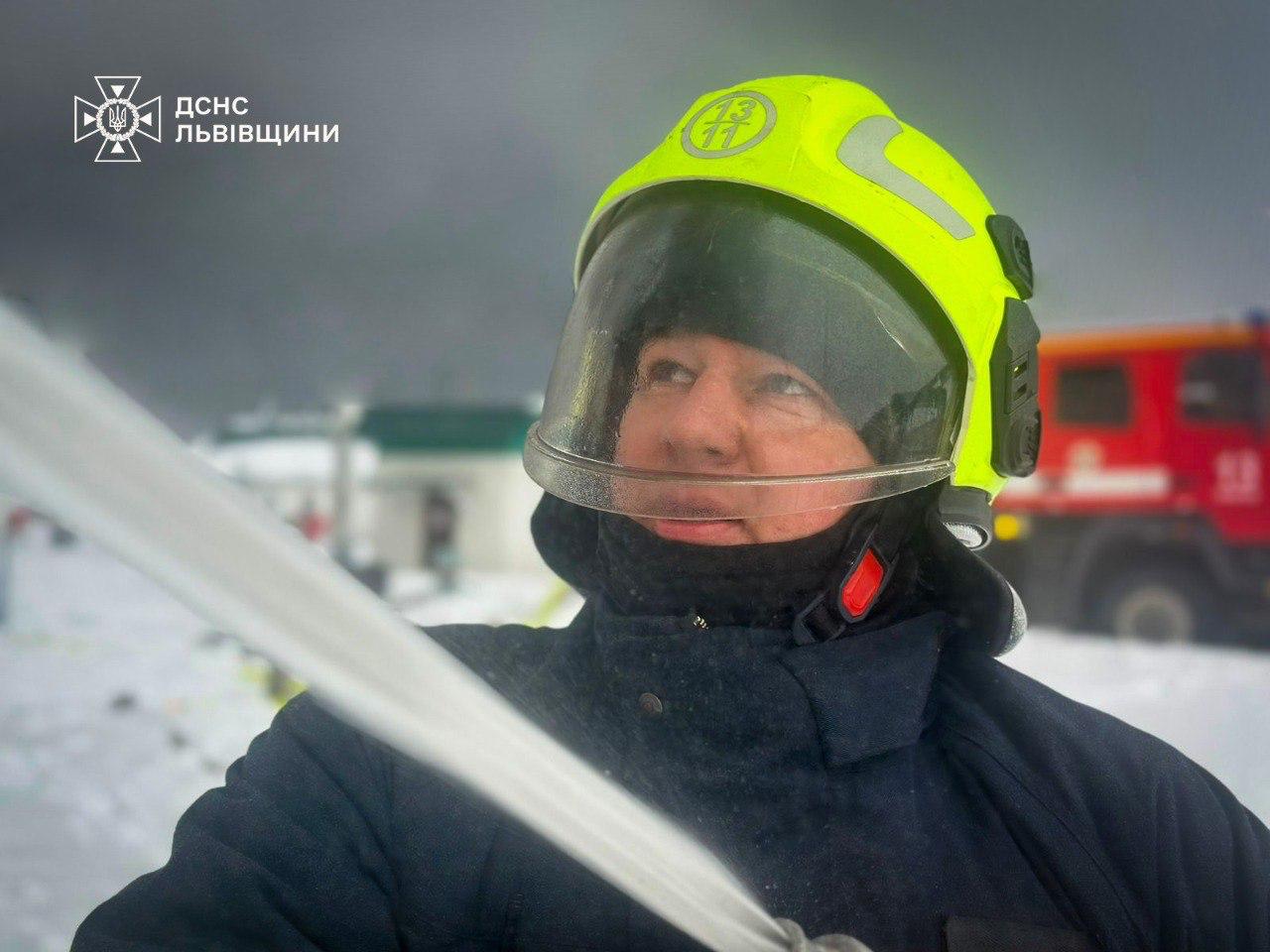
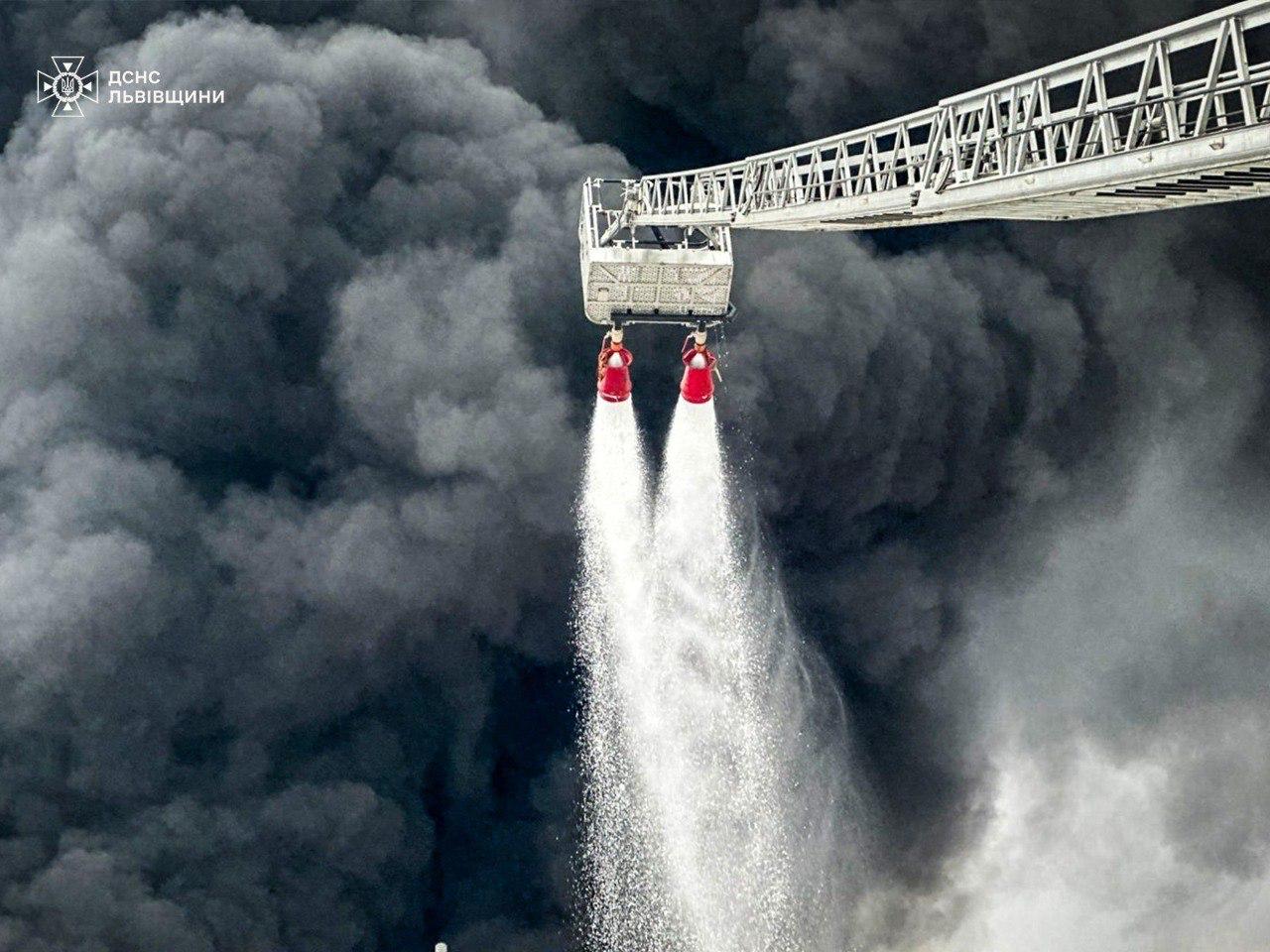
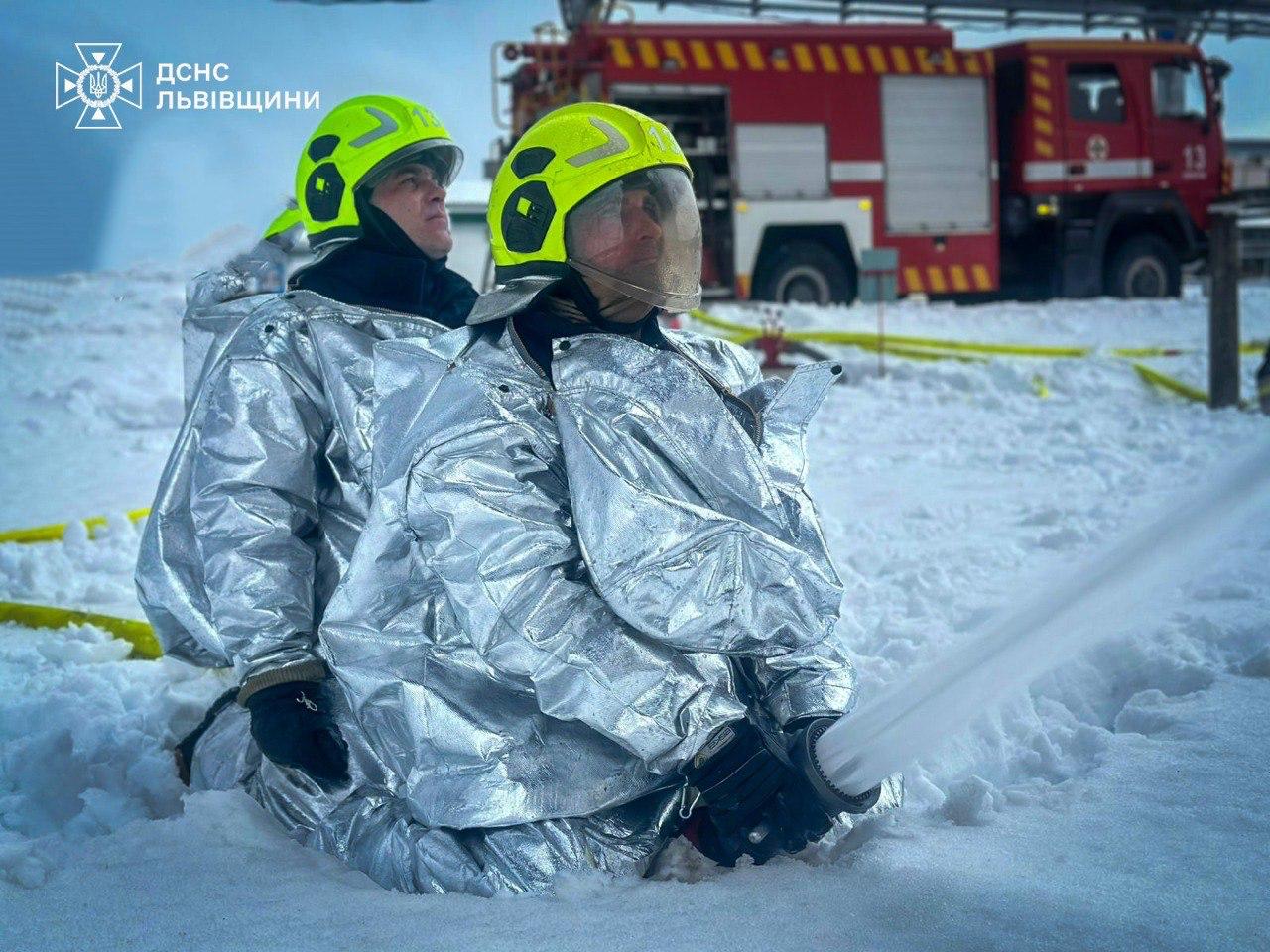
The first footage from the site of the Russian morning attack on an infrastructure facility in the Lviv region, which took place on January 27, has appeared online, according to the State Emergency Service of Ukraine.
"In the morning, Russians struck an infrastructure facility in the Lviv region: rescuers are dealing with the aftermath of the attack," the statement says.
Over 130 emergency workers and 36 pieces of special equipment are working at the site.
Preliminary reports indicate that there were no casualties.
 Source: State Emergency Service of Ukraine
 Source: State Emergency Service of Ukraine
.jpg) Source: State Emergency Service of Ukraine
Source: State Emergency Service of Ukraine
 Source: State Emergency Service of Ukraine
Details
On the morning of January 27, Russia launched a drone strike on an infrastructure facility in Brody, Lviv region, causing a fire involving petroleum products, resulting in thick smoke spreading over the city and a strong odor.
Local authorities urged residents to close their windows and doors and, if possible, limit their movement on the streets. Classes in Brody schools were canceled.
After the Russian attack, a meeting of the Commission on Technogenic and Environmental Safety and Emergencies was held in the city.
As a result, due to the emergency, it was decided to suspend classes in schools on January 27-28 and switch educational institutions to distance learning. Kindergartens plan to create emergency groups.
All relevant services are working at the scene, including specialists who are measuring air quality. The results of the research will be reported later.
In the village of Smilne, which is part of the Brody community, specialists from the Lviv Regional Center for Disease Control and Prevention recorded a temporary increase in carbon monoxide levels in the air.
The deterioration in air quality is associated with a Russian drone attack. The situation is under control, and radiation levels are normal.
Residents with chronic respiratory or cardiovascular diseases are advised to stay at home or go outside only wearing a disposable mask.
They are also advised to temporarily refrain from ventilating rooms.