Russia's oil revenues set to rise in May on Iran war, but still lag last year

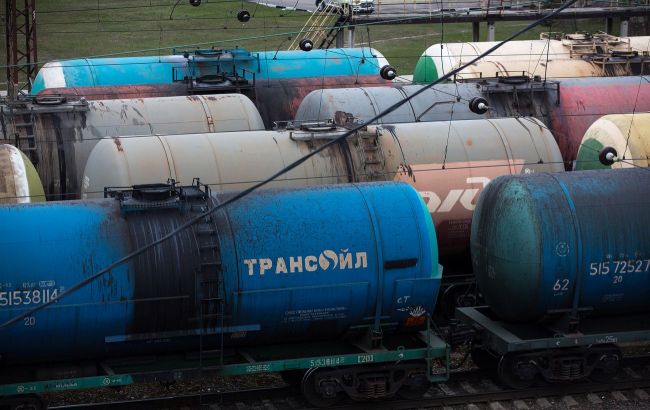 Photo: Kremlin oil and gas revenues are set to rise next month (Getty Images)
Russia’s oil and gas revenues are likely to rise in May due to higher oil prices driven by the war in Iran. At the same time, for the first five months of 2026, they will remain lower than last year, Reuters reports.
The agency forecasts that Russia’s revenues from oil and gas taxes in May will amount to about 650 billion rubles ($8.65 billion). In the same month of 2025, the figure stood at 512.7 billion rubles ($6.85 billion).
Reuters writes that Russia has become one of the beneficiaries of the conflict in the Middle East, which effectively led to the closure of the Strait of Hormuz. However, Ukrainian drone attacks on its energy infrastructure have limited oil production, which is the third largest in the world after the United States and Saudi Arabia.
There are limits on Russia’s windfall profits, and domestic economists have repeatedly warned that 2026 could be a difficult year.
A challenging 2026 for Russia
Russia faces limits on earning windfall profits, and domestic economists have repeatedly warned that 2026 could prove to be a difficult year.
Estimates also show that Russia’s budget revenues from oil and natural gas sales for January–May are likely to exceed 2.94 trillion rubles ($39.1 billion). In the same period of 2025, Moscow received 3.16 trillion rubles ($42.05 billion).
The decline in revenues is due to weaker performance in the first three months of the year, before the US and Israel’s attack on Iran, when oil prices were lower. The strengthening of the ruble also had a negative impact on revenues.
Earlier, the US Treasury issued a license allowing transactions involving Russian oil and petroleum products, provided they were loaded onto vessels before April 17, 2026. This authorization for sale, delivery, and unloading remains valid until May 16.
Washington took a similar step in March. At the time, the decision was aimed at stabilizing global energy prices, which had surged amid the war in Iran and the blockade of the Strait of Hormuz.
At the same time, US Treasury Secretary Scott Bessent said on April 15 that the United States does not plan to extend oil-related relief measures for Russia.