Russia's oil production falls to 18-year low as revenues take a hit

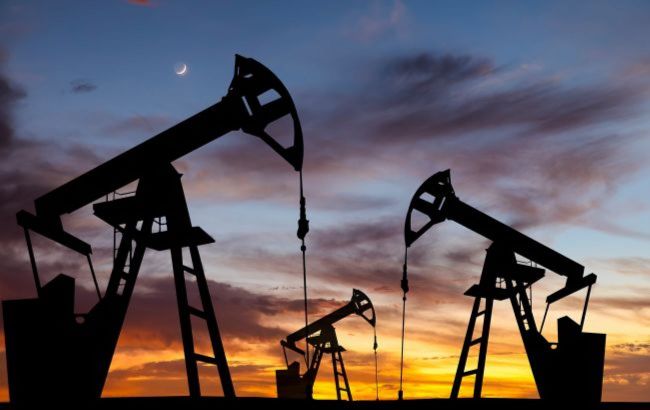 Russia's oil industry is in decline (photo: Getty Images)
Russia's oil production will hit a record low of 494 million metric tons this year. And the industry's decline is far from over, Russian Deputy Prime Minister Alexander Novak said.
Russia's oil production declines
Compared with last year, when Russia produced 511.5 million tons, oil producers have lost 3.4% of output. Compared with 2024, when production totaled 516 million metric tons, the decline stands at 4.3%. In 2023, Russia produced 530 million tons, 7.2% more than this year, while in 2022, output reached 535 million tons, 8.2% more.
Overall, Russia's annual oil production has plunged by 66 million tons, or 12%. Its current output is the lowest since 2008, when it produced 488 million tons.
Even during the COVID-19 pandemic, when oil producers were forced to shut down wells, production was higher, at 512.7 million tons.
Forecasts for the year
Initially, the government forecast oil production of 525 million tons for this year. It later lowered its estimate to 511 million tons, but even that target proved unattainable.
The oil industry has been hit by drone attacks, UBS analyst Giovanni Staunovo notes. Refinery shutdowns have reduced the country's oil processing volumes to a 20-year low. And the inability to export all the surplus oil has forced companies to cut production.
Oil production in Russia had also been declining before the war against Ukraine because old deposits discovered during the Soviet era were being depleted.
Oil generates about $120 billion in annual revenue for Russia. As production declines, so will the Kremlin's ability to project its influence.
Without major investment, a technological breakthrough, and regulatory changes, Russia faces a sharp collapse in oil production, the Russian government itself acknowledges.
Under the worst-case scenario —tighter Western sanctions and an accelerated global shift away from hydrocarbons —Russia will produce just 171 million tons of oil a year by 2050, three times less than it does now.
And there will be no oil left for export: its volumes will fall to zero.
As previously reported, during peace negotiations, Russian President Vladimir Putin offered Jared Kushner, US President Donald Trump's special envoy, business deals in exchange for sanctions relief.
These included joint oil production projects near Sakhalin and diesel supplies to the United States.
In addition, in May, amid escalating tensions in the Middle East, the discount on Russian crude widened for the first time in some time, potentially reducing Russian budget revenues.
Also, in late 2025, Russian oil prices fell to a record low for the year amid US sanctions that forced exporters to revise their supply routes.