Russia's offensive is the slowest of any war in the past century, CSIS

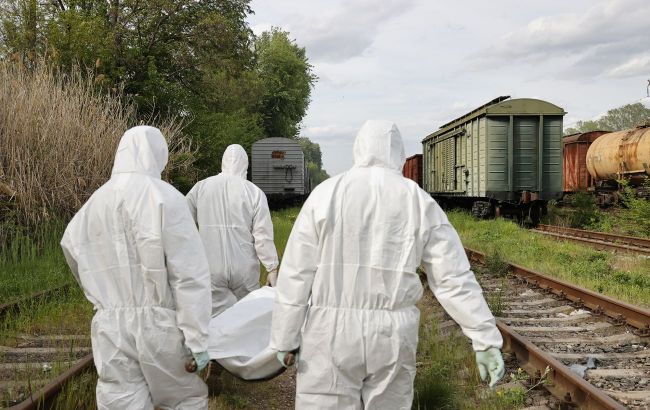 Photo: Russian army losses are estimated by analysts to be extraordinarily high (Getty Images)
Russia has definitively lost the military initiative in Ukraine, while the cost of the war for Vladimir Putin's regime continues to rise sharply, according to the Russian Blood and Treasure: The Ballooning Costs of Putin’s War report, published on July 1, 2026, by the Center for Strategic and International Studies (CSIS) analysts Seth Jones and Riley McCabe.
After analyzing a vast dataset and more than 20,000 strike incidents targeting Russian facilities, the authors concluded that the battlefield is undergoing a fundamental shift due to Russia's extraordinarily high losses, the stagnation of its ground offensive, and Ukraine's adoption of cutting-edge artificial intelligence-enabled tactics.
Astronomical losses and a recruitment shortfall
According to CSIS estimates, from the start of Russia's full-scale invasion in February 2022 through June 2026, the Russian military suffered approximately 1.4 million combat casualties, including those killed, wounded, and missing in action. Of those, 400,000 to 450,000 are estimated to be fatalities.
The authors emphasize that these figures are unprecedented. They exceed total US military casualties in all wars since World War II by more than four times and are more than nine times higher than the combined military losses of the Soviet Union and Russia over the same period, including the wars in Afghanistan and Chechnya.
Moreover, during the first half of 2026, Russia's monthly losses ranged from 30,000 to 34,000 personnel, exceeding its ability to recruit new troops, estimated at around 27,000 recruits per month.
The casualty ratio between Russia and Ukraine, which remained around 2:1 or 3:1 for most of the war, has widened to 8:1 in Ukraine's favor in 2026.
Slowest offensive and territorial setbacks
Jones and McCabe conclude that Russia's ground offensive has effectively stalled. Russian advances are now measured in tens of meters per day, making the campaign one of the slowest offensives in modern military history over the past century, with a pace comparable to the Battle of the Somme during World War I.
- Near Kostiantynivka: an average of 50 meters per day.
- Around Pokrovsk: about 70 meters per day.
- Around Sloviansk: roughly 90 meters per day.
At the same time, Russia's territorial control in Ukraine began shrinking in the spring of 2026.
In April and May, Russian forces lost more territory than they managed to capture, resulting in a net loss of around 400 square kilometers. According to the report, these were Russia's first monthly net territorial losses since August 2024.
AI and Ukraine's strike campaign
CSIS researchers highlight the effectiveness of Ukraine's long-range strike campaign, which relies heavily on drones and missiles. Ukraine has targeted both nearby locations, including Crimea and Russia's Belgorod region, as well as deep inside Russian territory more than 6,000 kilometers from Kyiv, including strikes on the Ukrainka air base.
The report pays particular attention to Ukraine's integration of artificial intelligence into combat operations. As an example, the analysts cite the Hornet autonomous strike drone, which costs around $6,000 and has an operational range of up to 150 kilometers.
The drone uses onboard AI to analyze live video feeds, distinguish legitimate military targets from decoys, and carry out strikes without relying on satellite communications, making it resistant to Russian electronic warfare systems.
According to the report, drones account for more than 90% of Russian casualties inside so-called "kill zones" — areas extending 20-40 kilometers along the front line — rather than direct infantry combat.
Earlier, during a visit to Dublin, President Volodymyr Zelenskyy proposed that Ireland sign a special agreement on drone technologies, dubbed the Drone Deal.
Meanwhile, Ukraine is ramping up domestic explosives production to support the military. The Brave1 defense technology cluster is wrapping up its first grant competition, investing nearly UAH 1 billion (over $22 million), which is expected to increase the monthly output of Ukrainian manufacturers.