Russia's gas prices overtake America's, with gap to widen in 2026

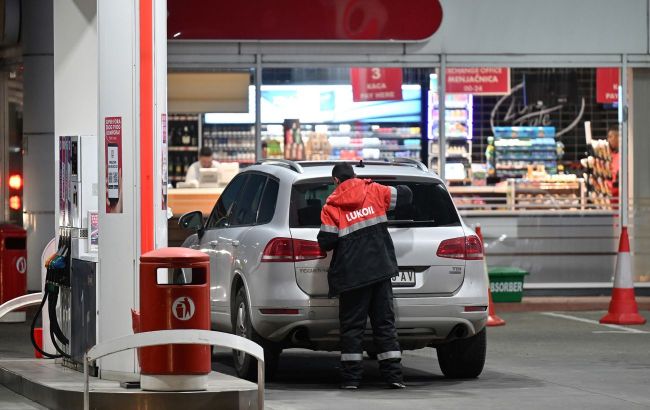 Photo: In 2026, gasoline prices in Russia exceeded those in the US and continue to rise (Getty Images)
In 2026, average gasoline prices in Russia exceeded those in the US and continue to rise. This undermines the myth of cheap Russian energy amid falling oil revenues and budget problems, according to the Foreign Intelligence Service of Ukraine.
Gasoline prices falling in US while hitting record highs in Russia
According to the Foreign Intelligence Service of Ukraine, as of early 2026, a liter of gasoline in the US costs almost 5 rubles less than in Russia. This difference undermines the established narrative of cheap energy for Russian consumers and, according to forecasts, will only deepen.
Price dynamics in both countries are diverging. In the US, fuel is becoming cheaper along with the decline in world oil prices, while in Russia, gasoline is steadily becoming more expensive, outpacing inflation. In January alone, average prices rose by 1.2%, with increases recorded in 78 regions.
The US Energy Information Administration predicts further market weakness. It expects the average annual price of Brent to fall in 2026, which will continue to hold down fuel prices in the US. At the same time, the Russian government continues to rely on inflated price expectations.
Russia's budget deficit being passed on to drivers
Against the backdrop of declining export revenues, oil companies are increasingly compensating for losses within the country.
As acknowledged by the Russian Ministry of Finance, the budget is facing a deficit due to shortfalls in oil and gas revenues, and the additional burden is being shifted to the domestic market.
Another sign of systemic problems was the Ministry's statement on the need to use the national welfare fund and increase tax revenues.
According to analysts, rising fuel prices are becoming a tool for patching budget holes, which increases pressure on consumers.
Russian gasoline crisis
The fuel crisis in Russia has worsened after a series of Ukrainian drone strikes on oil refineries. Due to fuel supply disruptions, restrictions on fuel sales have been introduced in a number of regions, and the shortage has led to the mass closure of gas stations.
In August-September 2025, over 360 gas stations ceased operations, and according to Russian media, one in fifty stations currently does not sell gasoline at all.
Against the backdrop of a critical fuel shortage, the Russian government was forced to extend the ban on gasoline exports until the end of October last year in an attempt to contain the crisis and stabilize the domestic market.