Russia ready to drain Siberia to exert pressure on Central Asian countries - Intelligence service

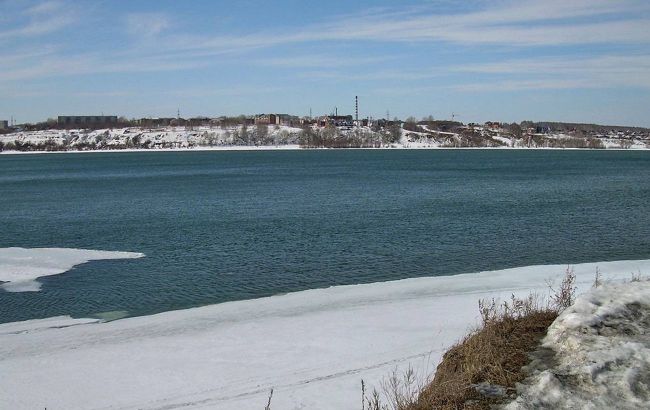 Illustrative photo: Russia has revived the Soviet plan to divert the Ob River’s water resources (Getty Images)
The Russian Academy of Sciences has resumed work on a large-scale infrastructure project that involves partially diverting the Ob River’s resources to Kazakhstan and Uzbekistan. This could lead to serious environmental consequences, according to the Foreign Intelligence Service of Ukraine.
"The initiative is presented as a tool to 'stabilize water supply in southern Russia,' but in essence, it is a modernized version of the Soviet plan to 'redirect Siberian rivers.' The project was abandoned in 1986 due to high and unpredictable environmental risks," the intelligence service said in a statement.
It is noted that Russia aims to reorient its influence in Central Asia, where its traditional gas leverage no longer works.
Kazakhstan and Uzbekistan primarily export gas to the Chinese market, and the region’s economic dependence on Chinese and Western capital is increasing.
"In these circumstances, Russia is betting on 'water diplomacy,' effectively creating a new instrument of political pressure on post-Soviet countries," the Foreign Intelligence Service said.
According to financial estimates, the project would require at least $100 billion, but taking environmental consequences into account, strategic costs could be significantly higher.
Redirecting water flows could accelerate the melting of Arctic glaciers, cause desertification in some areas and waterlogging in others, and destabilize hydrological systems.
"Disrupting the water balance in Siberia could trigger large-scale climate shifts across much of Eurasia," the intelligence service warned.
Kazakhstan has introduced new export control rules for a year, which apply exclusively to supplies to Russia. The country plans to use these measures to prevent Russia from importing dual-use goods and circumventing Western sanctions.