Russia preparing new tax amid rising military budget

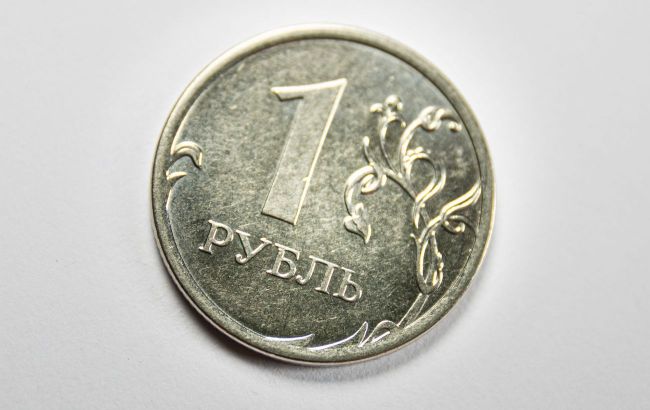 Photo: Russian money (Getty Images)
Russia discusses a new business tax
In Russia, the possibility of introducing an additional windfall tax on extraordinary profits for certain commodity corporations and banks is being considered.
According to Bloomberg, citing sources close to the discussions, the measure is seen as a way to cover a growing budget deficit amid rising military spending.
The Russian Ministry of Finance is analyzing the potential introduction of a new fiscal tool under the conditions of the ongoing full-scale war against Ukraine. No final decisions have been made so far.
Which sectors may be affected
Potential taxpayers include major players in the raw materials sector, such as the gold mining company Polyus, mining and metals giant Nornickel, as well as several large banks.
The proposal involves a one-time or additional levy on part of the profits earned under favorable market conditions.
Increasing fiscal pressure
Last year, Russia’s economy — driven by military spending — slowed its growth, while the budget deficit widened.
This has already led to the search for new revenue sources, including an increase in value-added tax this year.
Earlier, in 2023, the authorities had already introduced a one-off windfall tax on large companies to ease budget pressure after the start of the war.
The Finance Ministry is currently projecting a budget deficit of around 1.6% of GDP this year, down from 2.6% in 2025.
Economic slowdown and new risks
The initiative is being discussed amid signs of a cooling Russian economy.
Estimates suggest that GDP contracted in the first quarter, while industrial production fell by nearly 2% in the first two months of the year — the first such decline since early 2023.
An additional signal is the deterioration in the business climate: the relevant index has moved into negative territory for the first time since the start of the war.
Political context and business
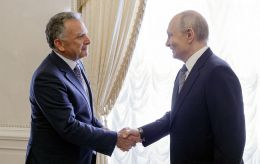
Discussions on new taxes intensified after a closed-door meeting between President Vladimir Putin and Russian billionaires in March.
According to media reports, possible voluntary and mandatory contributions from businesses to the state budget were discussed, although no official figures have been confirmed.
Pressure on different sectors of the economy
Amid a high key interest rate and weakening demand, the steel, coal, and retail sectors are under pressure.
At the same time, some export-oriented industries continue to show resilience thanks to favorable external market conditions.
Germany has for the first time published a military strategy in which Russia is named a key threat to European security, while the Bundeswehr is designated as a future leading conventional army on the continent.
Even a significant rise in oil prices amid the US–Iran conflict would not prevent a recession in the Russian economy, as its structural problems remain too deep.