Russia plays role in 20% of US power generation - Bloomberg

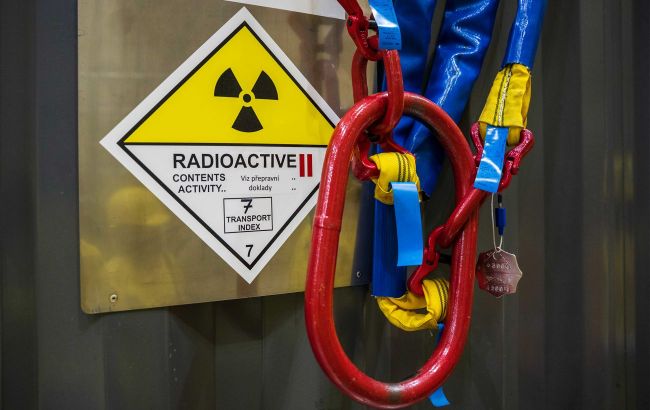 US nuclear energy still depends on Russian enriched uranium (Photo: Getty Images)
The US nuclear industry still remains significantly dependent on Moscow for supplies of enriched uranium for reactors that produce about one-fifth of the country's total electricity, according to Bloomberg.
How much uranium the US buys from Russia
In 2025, US reactor operators purchased about 3.28 million separative work units (SWU) of uranium enrichment services from Russia — this is nearly 26% of total purchases. For comparison, ten years ago this figure stood at only 17%.
In total, foreign sources provided 77% of enrichment services purchased by US operators in 2025, and Russia remains the largest single supplier. Only 7% of US nuclear fuel comes from domestic mining.
Why this is becoming an increasingly acute problem
The vulnerability is intensifying against the backdrop of Washington promoting a revival of nuclear energy, driven by demand for electricity from data centers and electrification.
Existing utilities are trying to extend the life of reactors and restart shuttered plants, while developers of small modular reactors need to secure fuel for projects over the next decade.
What loophole allows purchases to continue
A 2024 law bans the import of Russian uranium, but allows the Department of Energy to grant waivers if alternative supplies are unavailable or if the import is deemed to be in the national interest. This authority expires no later than January 2028.
Such a system creates a political vulnerability, as supplies depend simultaneously on US waiver approvals and Russian export licenses, leaving companies dependent on further deterioration in relations between Moscow and Washington.
When alternative sources will appear
Domestic and allied uranium enrichment projects are already underway, but the timelines still leave a gap. The Urenco US plant – a company owned by a British-Dutch-German consortium – is already ramping up enrichment capacity in early 2027, capable of fueling many additional reactors.
Larger projects from Centrus Energy and Orano will not become operational before 2029.
The US has repeatedly signaled its readiness to increase pressure on Moscow. Earlier, Secretary of State Marco Rubio stated that Washington is ready to intervene during the war as soon as a real opportunity arises to reach a peace agreement.
Graham's "hellish sanctions" could prove more painful than European ones – the new tough package of US restrictions is set to be adopted as early as September 2026.
In addition, on July 28, the US Senate supported a bill to strengthen sanctions against Russia and Iran – one of its co-sponsors was the late Republican Senator Lindsey Graham.