Russia plans to produce 2,000 jet-powered Geran drones in September - Sources


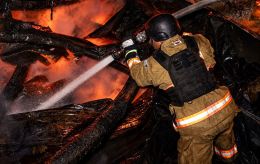
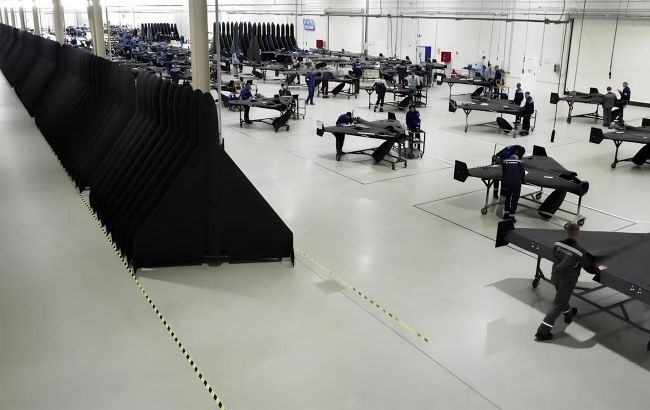 Photo: Russia plans to ramp up production of jet-powered drones in September (Russian media)
Russia is ramping up production of Geran and Gerbera drones to maintain almost daily strikes on Ukraine.
How many drones does Russia plan to produce
Military sources believe Russia's current attack pattern is not a short-term experiment. Its Russian production plans also indicate that it is designed to last.
According to RBC-Ukraine, the group directly carrying out strikes against Ukraine is allocated around 160 attack drones every day, including both jet-powered and gasoline-powered Shahed drones.
In addition, according to sources, Moscow plans to produce in September:
- 2,700 Geran-2 drones;
- 1,200 Geran-4 drones;
- 800 Geran-5 drones;
- 5,000 Gerbera drones.
The Geran-4 and Geran-5 are the jet-powered variants, meaning they are the most difficult to intercept.
Russia's current production capabilities allow it to maintain almost daily drone attacks at the level Ukraine has observed over the past week.
One of the main limitations on such an increase is components, particularly engines. In August, Ukraine's military intelligence agency reported that Russia had halted production of the Geran-3.
Sources told the outlet that Moscow wants to reallocate components to produce the more effective, in its assessment, Geran-4 and Geran-5 drones.
According to the Ukrainian military intelligence agency's War&Sanctions portal, Russia uses turbojet engines made by Chinese manufacturer Telefly in its jet-powered Geran drones.
However, according to RBC-Ukraine, China has supplied only 3,000 of these engines, or one-sixth of Moscow's needs. The Kremlin is therefore looking for ways to establish production of the engines on its own.
Russia is increasingly switching to jet-powered drones, compensating for the declining effectiveness of conventional Shaheds. Their main advantage is higher speed, making them more difficult to intercept.
However, producing jet-powered drones on the same mass scale is hindered by engine production, which depends heavily on Chinese companies.
In August, Ukraine's military intelligence agency also reported that Russia had unexpectedly halted production of the Geran-3. The drone used a Chinese Telefly JT80 turbojet engine and contained 45 foreign components in total.