Russia may strike its own gas pipelines as part of energy blackmail plan, intelligence warns

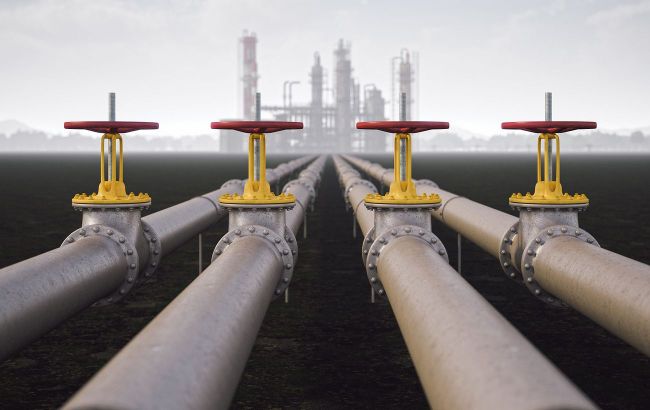 Photo: Russia may target its own pipelines to increase gas deliveries to Europe (Getty Images)
Russia is attempting to use the global energy crisis to increase supplies of Russian energy resources to the European market, according to Ukraine’s Defense Intelligence.
According to Ukrainian intelligence, Russia’s leadership has developed a comprehensive plan to return to the EU energy market. Representatives of the Russian authorities at all levels are involved in its implementation.
The plan had been prepared earlier amid escalating tensions in the Persian Gulf. An echo of this was Vladimir Putin’s public warning at a meeting of the FSB board on February 24, 2026, about preparations to blow up the TurkStream and Blue Stream gas pipelines in the Black Sea.
The intelligence notes that accusations against Ukraine of "energy terrorism" made by Russia’s UN ambassador Vasily Nebenzya at a UN Security Council meeting on March 23 are not accidental.
Russian media widely circulated his claim: "Attacks on export infrastructure supplying Russian gas via TurkStream and Blue Stream have not ceased. In recent days, drone strikes have targeted the Russkaya compressor station in the Krasnodar region, as well as the Kazachya and Beregovaya stations."
The role of Russian intelligence services
A special role in implementing the Kremlin’s plans is assigned to Russian intelligence services. They have developed measures aimed at increasing supplies of Russian energy resources to the EU market.
To carry out this scenario, the possibility is being considered of conducting a set of active measures to deepen the hydrocarbon shortage in European countries.
In particular, options are being explored to suspend the operation of TurkStream and the Tengiz–Novorossiysk oil pipeline, which supply energy resources in the interests of European countries, under the pretext of damage caused by Ukrainian drone strikes.
According to Russia’s assessment, suspending these pipelines would allow it to inflict losses on Western energy companies, create a resource shortage in the EU, and trigger a sharp rise in oil prices. Ultimately, the European Commission would be forced to ease sanctions on Russia’s energy sector under pressure of objective circumstances.
Russia’s oil revenues
On March 13, it became known that the United States had temporarily eased sanctions on Russian oil and petroleum products. According to a diplomatic source cited by RBC-Ukraine, such a move is unlikely to stabilize global markets but could allow the Kremlin to finance the war for longer.
A similar view was expressed by Ukrainian President Volodymyr Zelenskyy, who said Russia could receive up to $10 billion to continue hostilities.
On Tuesday, March 24, Bloomberg reported that Russia’s oil revenues had returned to March 2022 levels. According to the outlet, Moscow’s average daily export revenue in March doubled compared to the beginning of the year, from $135 million to $270 million.