Russia made no concessions on Ukraine in exchange for diesel deal

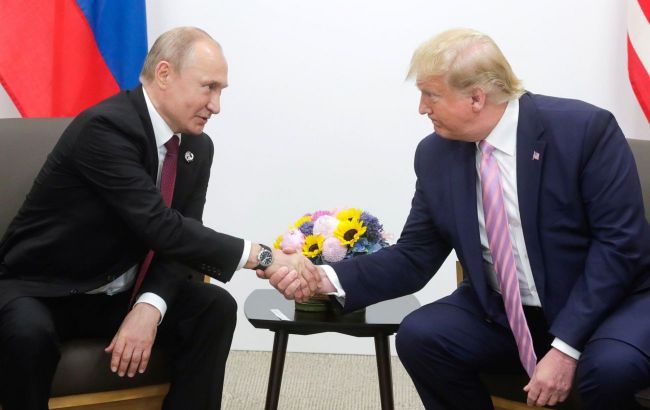 Photo: Russian president Vladimir Putin and US president Donald Trump (Getty Images)
The US has allowed Russian diesel to be supplied to global markets, but Moscow has offered Washington no concessions in negotiations on peace in Ukraine, according to the Institute for the Study of War (ISW).
On October 9, US President Donald Trump announced an agreement with Russian president Vladimir Putin on diesel exports. According to the US president, the goal of the decision is to increase fuel supplies to the US and other countries' markets.
At Trump's direction, the US Treasury Department issued a temporary general license allowing the supply of Russian diesel fuel to global markets.
How much diesel does Russia plan to supply?
Trump said Russia would immediately supply more than 300,000 tons of diesel to the markets. Another 500,000 tons, he said, are expected to arrive in November 2026, followed by another one million tons.
Russian oil refineries could supply another three million tons of fuel in a short period. The potential volumes will depend on the condition of the facilities and their ability to ensure additional production.
Russia accounted for only 9.5% of global diesel fuel exports in 2025. On July 8, 2026, Moscow temporarily banned diesel exports.
The decision was made amid an intensification of Ukrainian strikes on Russian oil refineries and logistics routes. The attacks targeted fuel supplies to the occupied territories of Ukraine and Russian troops on the front lines.
Why the deal could help Russia
ISW believes that permission to export Russian diesel could increase Moscow's revenues and give it additional resources to continue the war against Ukraine.
In the analysts' view, this could also complicate US efforts aimed at ending hostilities. Profits from the sale of petroleum products will allow Russia to continue financing military expenditures.
The Institute for the Study of War also drew attention to the negotiating aspect of the agreement. According to the analysts, Washington's decision is a unilateral concession, while Russia has offered no reciprocal steps in negotiations to end the war.
Easing restrictions could bring Russia economic benefits without securing any concessions from Moscow on ending its war against Ukraine.
Donald Trump announced the deal following a phone call with Vladimir Putin. Thanks to the temporary exemption from sanctions, Russia is expected to supply up to 1.8 million tons of diesel to global markets.
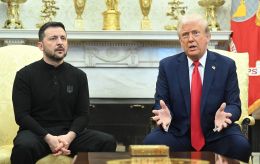
In response to criticism from Kyiv, Trump replied with a brief "Okay," thanked Putin for the agreement, and assured that the US remains a strong partner of Ukraine.
Ukrainian President Volodymyr Zelenskyy responded to the US-Russia agreement on diesel fuel and said Kyiv would support easing sanctions only in exchange for an energy truce during the winter period.