Russia faces youth crisis, intelligence predicts dramatic drop by 2040

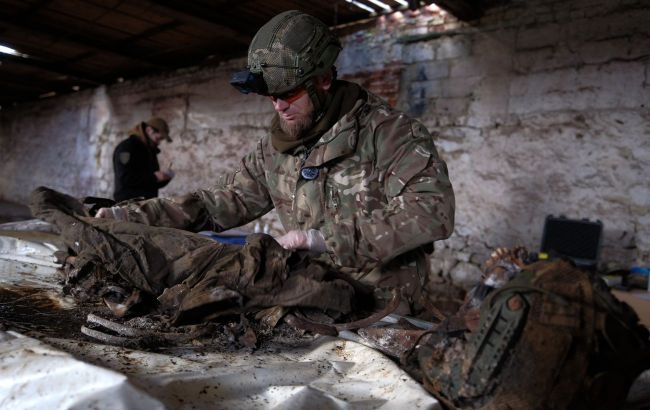 Russian men dying in large numbers in the war (Illustrative photo: Getty Images)
By 2040, Russia risks turning into a society of elderly women due to rapid population aging, gender imbalance, and demographic losses from the war, according to a statement by Ukraine’s Foreign Intelligence Service.
Read also: Personal bankruptcies in Russia hit record highs - Why Russians are running out of money
At the same time, Russia’s demographic situation is deteriorating rapidly. The share of the population under 35 has dropped from 55% in 1990 to 40% in 2025, and the decline has accelerated since 2020. If this trend continues, by 2040, only about 30% of the population will be young people.
A particular concern is the sharp decline in the male population. Men as young as 25–30 are dying or emigrating, leading to a predominance of women in older age groups. Experts predict that by 2040, the median Russian resident will be a woman aged 50–55.
The shortage of young men will not only limit economic activity but also threaten the country’s ability to maintain a strong army and a stable industrial sector.
In addition, social structures will change: there will be increased demand for medical and social support for the elderly, and the government will have to allocate more resources to pensions and healthcare.
Impact of the war on Russia’s demographic collapse
The war in Ukraine is further accelerating Russia’s demographic crisis. Massive losses among men of conscription and working age, rising disability, and emigration are gradually creating a hollow age group.
The war in Ukraine has acted as a powerful accelerator of these processes:
- Massive losses: thousands of working-age men are killed or disabled.
- Emigration: the most educated and youngest segment of the population has left the country to avoid mobilization.
- Demographic “gap”: a new generation simply isn’t being born, as potential parents are either on the frontlines or abroad.
Thus, the war not only drains resources today but effectively sterilizes the nation, depriving it of the chance for dynamic development in the coming decades. Currently, Russia is steadily heading toward the status of a global nursing home, driven by an aggressive ideology but lacking the physical capacity to realize it.
Economic and social consequences
The formation of a society of elderly women in Russia will inevitably trigger tectonic shifts in the country’s domestic politics:
- Social conservatism: an aging and vulnerable population will demand not innovation, but strict stability and preservation of the status quo.
- Labor shortage: economic renewal will become impossible due to a lack of young professionals and innovators.
- Shrinking market: demand will shift toward healthcare and social services, increasing pressure on a budget already strained by military spending.
Meanwhile, Ukraine’s Main Intelligence Directorate released intercepted communications showing that Russian forces admitted to maintaining infantry morale on the frontlines using drugs.
Ukrainian intelligence also released another interception confirming the critical state of regional budgets in Russia. The Russian economy ended 2025 with very weak results, underscoring the depth of the country’s crisis.