Personal bankruptcies in Russia hit record highs - Why Russians are running out of money

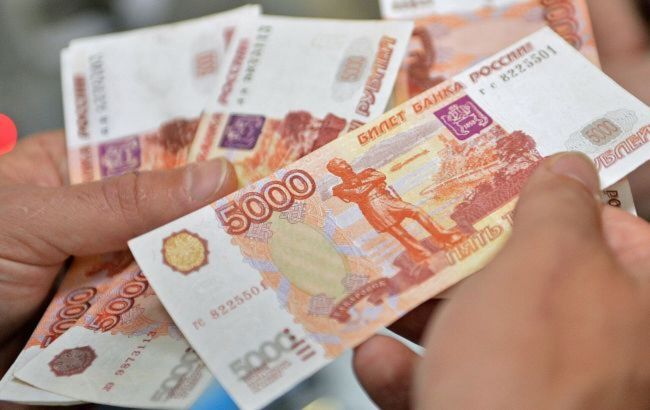 Photo: the number of personal bankruptcies in Russia has risen sharply (Sputnik Беларусь)
More than 500,000 citizens of Russia have been declared insolvent, according to the Foreign Intelligence Service of Ukraine.
By the end of 2025, Sverdlovsk Oblast ranked among the five Russian regions with the highest number of personal and individual-entrepreneur bankruptcies. Over the year, the number of court notices on asset liquidation in the region rose by almost 28%.
In absolute terms, Sverdlovsk Oblast even surpassed Saint Petersburg, where more than 20,000 personal bankruptcies were recorded.
The traditional “anti-ranking” also includes Moscow, Moscow Oblast and Krasnodar Krai – regions with persistently high household debt.
Nationwide, the situation is even worse. In 2025, court-ordered personal bankruptcies in Russia increased by more than 31%, reaching nearly 568,000 cases.
The main drivers behind the surge are declining real incomes, rising living costs and excessive household debt.
"Formal ‘economic stability’ proclaimed by the Russian authorities is not reflected in the real financial situation of citizens," analysts at the Foreign Intelligence Service of Ukraine said.
More than 97% of bankruptcy cases are initiated by the debtors themselves, effectively acknowledging their inability to service their debts. This points to a systemic crisis with no signs of a rapid recovery.
Russia's economic downturn
According to the Foreign Intelligence Service of Ukraine, 2025 became the worst year for Russian trade in the past decade.
Only 173,000 new companies were registered during the year – the lowest figure in 14 years – while the number of liquidated firms rose to 233,000. Closures exceeded new registrations by 26%.
Business activity declined in 60 regions, including Moscow and Saint Petersburg. The number of contracts for specialised machinery and vehicles fell by 30–46%, effectively freezing the renewal of production capacity.
Ukrainian intelligence has also released new intercepts indicating a critical situation in regional budgets across Russia. Due to acute funding shortages, local authorities have launched radical cost-cutting measures, primarily affecting the public sector.
Russia ended 2025 with very weak economic results, highlighting the depth of the crisis. A major blow to the state budget came from falling oil prices, which dropped to a five-year low and sharply reduced Russia’s foreign-currency revenues.