Russia blocks evacuation from Ukraine's Oleshky as more than 6,000 people remain in city, ombudsman says

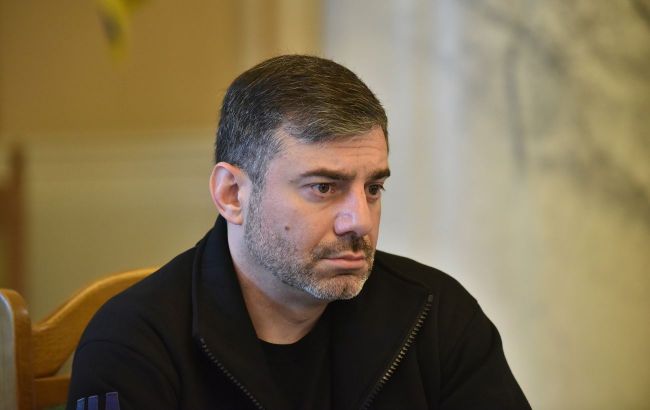 Photo: Dmytro Lubinets, the Ukrainian Parliament Commissioner for Human Rights (Getty Images)
More than 6,000 people may still be in Oleshky, including around 200 children. Russia has not confirmed its readiness to carry out a humanitarian evacuation of civilians, Dmytro Lubinets, the Ukrainian Parliament Commissioner for Human Rights, said.
According to the ombudsman, he has received appeals in recent weeks concerning the situation in Oleshky. The Ukrainian side has already held talks with Russia and worked out a framework for a possible humanitarian mission.
Lubinets also secured the support of the International Committee of the Red Cross. The organization was ready to participate in the evacuation in accordance with its mandate.
Ukraine approved a list of civilians who were to be evacuated from Oleshky. Ukraine’s security and defense forces, for their part, prepared to ensure a ceasefire during the humanitarian mission.
However, following the talks, Russia has still not confirmed its readiness to carry out the evacuation.
How many people remain in danger
Lubinets said his office continues to collect and verify information about people remaining in the temporarily occupied parts of the Kherson region.
So far, the ombudsman has received 176 appeals concerning the humanitarian situation. At the same time, information about 358 people who urgently need assistance and a safe way out has already been verified.
According to Lubinets, more than 6,000 people may be in Oleshky and the surrounding area. About 200 of them are children.
Civilians remain under daily threat from shelling and Russian drone attacks. In addition, people are facing issues with access to food, drinking water, medicines, and other essential aid.
People are crossing mined fields
According to the ombudsman, some civilians are already trying to escape Oleshky on their own. They are crossing mined fields because they see no other way to leave the city.
This route creates an additional danger. People risk stepping on mines or coming under drone attacks.
"These people need to be rescued. The city has turned into a deadly trap," Lubinets said.
He noted that several months ago he informed international organizations, including the United Nations and the ICRC headquarters in Geneva, about the situation in Oleshky. The ombudsman urged them to help civilians and prevent mass deaths.
The ombudsman’s office is currently continuing to coordinate with the ICRC, international organizations and Ukrainian government agencies. At the same time, Ukraine is pressing Russia to urgently carry out a humanitarian evacuation.
In May, Ukraine and Russia agreed on the technical details for evacuating around 6,000 civilians from Oleshky and nearby settlements. About 200 of them are children.
Kyiv was waiting for Russia to agree on a ceasefire date needed to carry out the evacuation.