Replace these 5 kitchen essentials before bacteria takes over

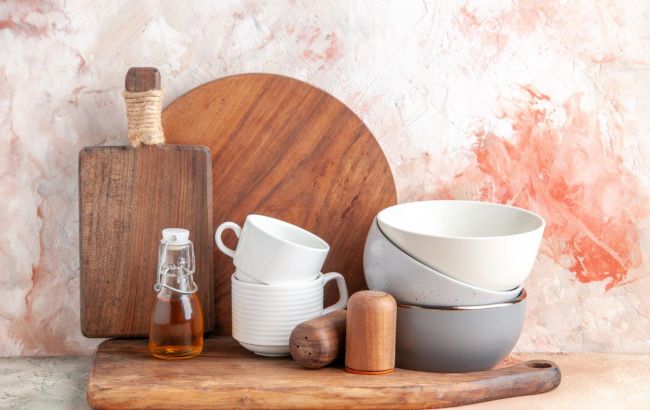 Kitchen items that need to be replaced often have been named (photo: Freepik)
There are items in the kitchen that accumulate dirt and bacteria faster than they seem. Regularly replacing these items helps prevent harm to the body and maintain food quality, according to the EatingWell website.
Damaged nonstick cookware
The journal Heliyon reports that nonstick cookware is generally safe when used properly, but pots and pans with damaged nonstick coatings should be avoided.
When the nonstick coating is scratched or overheated, it can begin to break down, increasing the risk of chemical migration and particle release.
Nonstick frying pans should be discarded when their surface becomes scratched, starts to peel, or no longer becomes nonstick during cooking.
It is better to switch to ceramic, stainless steel, or cast-iron cookware. If you decide to buy a new nonstick pan, keep the cooking temperature below 240°C to preserve the coating's integrity.
Plastic food storage containers
Such containers are convenient, but they can release millions or even billions of microplastic and nanoplastic particles into food, especially when heated.
Repeated reheating, microwave use, or prolonged use of plastic materials that come into contact with food can increase the migration of particles into food.
Discard any containers that are deformed, cracked, discolored, or have been repeatedly exposed to high temperatures. As safer alternatives, use glass, stainless steel, or food-grade silicone containers, especially for reheating or long-term storage.
Worn cutting boards
Plastic cutting boards can release microplastics into foods such as meat, fish, and vegetables over time. Heavily worn wooden cutting boards may also pose a health risk.
Deep cuts in boards, especially plastic and wooden ones, can harbor bacteria and make thorough cleaning difficult.
The US Department of Agriculture notes that if cutting boards have deep grooves, visible wear, or persistent odors even after cleaning, it is time to replace them. To reduce the risk of cross-contamination, use separate cutting boards for raw meat and seafood.
It is important to wash and disinfect boards thoroughly between uses.
Sponges
Harmful bacteria such as Salmonella can survive for more than a week in reusable kitchen sponges. Their warm, moist structure promotes rapid microbial growth and makes it easy for bacteria to spread to hands, dishes, and surfaces.
Kitchen sponges should be disinfected daily or replaced at least once a week to avoid the spread of potentially harmful microbes.
Kitchen towels
Improperly washing towels can increase health risks, especially if they are stored damp or reused without being washed.
Wash towels frequently at high temperatures and dry them thoroughly to limit bacterial growth.
This material is for informational purposes only and should not be used for medical diagnosis or self-treatment. Our goal is to provide readers with accurate information about symptoms, causes, and methods of detecting diseases. RBС-Ukraine is not responsible for any diagnoses that readers may make based on materials from the resource. We do not recommend self-treatment and advise consulting a doctor in case of any health concerns.