Beat stress the Japanese way: 6 simple rituals for inner peace

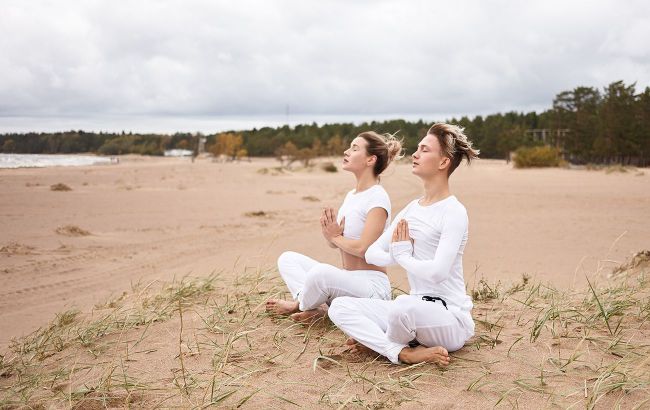 Six Japanese methods for relieving stress quickly (Photo: Magnific)
When the daily news frays your nerves and chronic anxiety leaves your mind overwhelmed, your body and brain are asking for a break. While many people turn to calming remedies, you can also take inspiration from the Japanese and explore their unique approaches to relieving stress.
RBC-Ukraine shares six unusual yet effective Japanese practices that are easy to recreate at home and may help you finally unwind.
Japan is known for its fast-paced lifestyle of skyscrapers, packed schedules, and endless deadlines, yet many people manage to maintain remarkable inner calm. The secret lies in simple daily rituals that encourage slowing down.
Otonamaki, or "adult swaddling"
This relaxation technique was created by Japanese midwife Nobuko Watanabe. It may look unusual—even a little intimidating. An adult curls into the fetal position, is wrapped tightly in a large piece of fabric, and is gently rocked.
The idea is that inside this cocoon, the brain instinctively recognizes a feeling of safety, subconsciously returning to the comfort of the womb. As a result, muscles in the neck and back that have tightened from stress begin to relax.
How to try it at home: You'll need someone you trust. Lie on a large sheet, pull your knees toward your chest, and wrap your arms around them. Ask your partner to securely tie the ends of the sheet around you so you're comfortably enclosed. Close your eyes, breathe deeply, and let them gently rock you from side to side for 10 to 15 minutes.
Important: If you have claustrophobia, it's best to avoid this method.
Ofuro, the Japanese bath ritual
For many Westerners, a bath is simply a way to get clean. In Japan, it is a ritual for relaxing both the body and the mind. Traditional Japanese baths are made of wood, and the water is typically heated to around 42°C (108°F).
Unlike a regular bath, you enter the water only after washing thoroughly in the shower. The hot water helps relax tense muscles, while soothing scents create a calming atmosphere.
How to try it at home: Shower first using your usual soap or body wash. Then fill the tub with comfortably hot water, add lavender or pine essential oil, sea salt, and a few strips of lemon or mandarin peel. Turn off bright lights, light a candle, and enjoy the quiet.
Kōdō, the art of appreciating fragrance
Kōdō is the traditional Japanese art of incense appreciation. In Japan, it is regarded as seriously as the tea ceremony or ikebana.
Rather than simply filling a room with fragrance, practitioners learn to "listen" to the subtle aromas released by different types of wood.
This trains your ability to focus. When you're paying close attention to delicate scents, your mind has less room to dwell on work or everyday worries.
How to try it at home: Choose high-quality incense sticks or natural resin, such as sandalwood, cedar, or cypress. Sit comfortably, dim the lights, light the incense, close your eyes, and focus on every layer of the fragrance. What memories or emotions does it evoke? It can become a calming evening meditation.
Shiatsu, stress relief at your fingertips
The word shiatsu literally means finger pressure. Traditional Eastern medicine believes this massage technique helps restore the body's energy flow.
Modern science suggests that applying pressure stimulates nerve endings and improves circulation in areas that become tense after long hours of sitting.
How to try it at home:
- Firmly massage the back of your neck with your fingertips to relieve muscle tension after a day at the computer.
- Press your fists into the tops of your shoulders to release tightness in the trapezius muscles.
- Gently but firmly press your thumbs along your eyebrows to relax facial muscles that often tighten during stressful moments.
The perfect cup of matcha
A traditional Japanese tea ceremony lasts around 45 minutes, with every movement carefully refined over centuries. The centerpiece is matcha, a finely ground powdered green tea.
Because you consume the entire tea leaf in powdered form, matcha delivers a concentrated dose of antioxidants. It provides a smoother energy boost than coffee without causing the jitters or anxiety some people experience with caffeine.
How to try it at home: Clear away distractions. Warm a dry tea bowl with hot water. Add about 2 grams of matcha (roughly one level teaspoon) and pour in 80 ml of hot water at approximately 80°C (176°F)—not boiling water.
Whisk vigorously with a bamboo whisk (or a small milk frother) until a smooth layer of foam forms. Sip slowly and enjoy the moment.
Rajio taisō, Japan's morning exercise routine
Unlike many Japanese traditions, this one dates back to 1928, when it was introduced through radio broadcasts to promote public health.
Today, everyone from schoolchildren to office workers and retirees performs these simple exercises. They help wake up the muscles, improve balance, and get the body moving after sleep.
How to try it at home: Search for "rajio taiso" on YouTube to find short guided routines. They're best done with an open window or on a balcony. The workout takes just five to seven minutes but can leave you feeling more refreshed than a double espresso.
The biggest lesson we can learn from the Japanese is consistency. Even 10 minutes in a warm bath without your phone or five minutes of morning exercise can help restore a sense of calm and control when life feels overwhelming.