5 ancient practices to reduce stress without medication

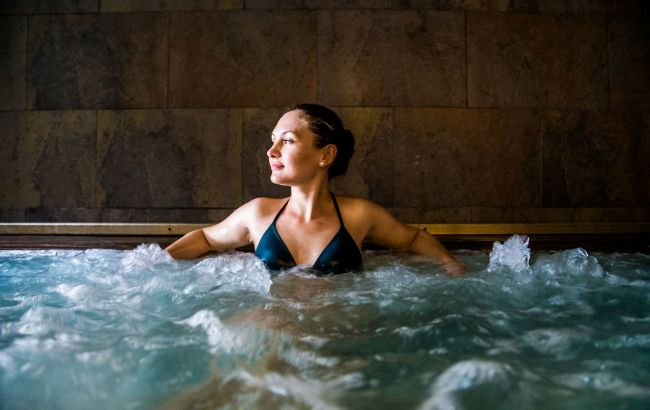 Ancient practices that relieve stress even today (photo: Getty Images)
Today, it often seems that chronic stress, panic attacks, and burnout are exclusively a plague of our digital age, with its frantic pace, deadlines, and endless news feeds. But in reality, humans have always experienced stress, and centuries ago, there were more than enough reasons for it - wars, crop failures, epidemics, and the basic struggle for survival.
RBC-Ukraine tells about 5 of the most effective methods for dealing with inner turmoil that have stood the test of time and can be applied right now.
Our ancestors had plenty of stress, but they did not have sedative pills, meditation apps, or therapy subscriptions. Instead, through trial and error, they discovered simple, free, and surprisingly effective physical life hacks. And what is most interesting, modern neuroscience fully confirms that ancient people knew what they were doing.
Samurai breathing, or how warriors turned off panic before battle
In medieval Japan, samurai were trained to control not only the sword but also their own fear. Before battle, when adrenaline surged, the heart felt like it would burst from the chest, and hands began to tremble; they used a technique we now know as box breathing.
The idea is simple: you inhale for 4 counts, hold your breath for 4 counts, exhale for 4 counts, and pause again for 4 counts.
Why it works: When we panic, breathing becomes shallow and rapid. The brain thinks we are running from a tiger and fuels the panic response. Artificially slowing breathing tricks the vagus nerve. The body receives a signal: “Everything is calm, there is no threat,” and the heart rate drops almost immediately.
Roman baths, or the magic of hot water
The ancient Romans built massive bathhouses (thermae) not only to wash off dust. These were the psychological recharge hubs of their time. Patricians came there after intense political struggles to clear their heads.
Immersion in hot water followed by a quick contrast rinse is a classic form of physical therapy.
Why it works: stress lives in the body in the form of muscle tension (usually in the neck, shoulders, and jaw). Hot water physically dilates blood vessels, relaxes muscles, and lowers cortisol levels. If you’ve had a terrible day, just take a shower and stand under warm water for 10 minutes. Water literally washes away mental dirt.
Monks in silence: the effect of Solomon’s isolation
In many religious and philosophical traditions (from Sufis to Orthodox ascetics and Buddhists), there was a practice of complete silence or solitude for a certain period of time. People left noisy cities and went to monasteries or deserts.
Today, we don’t need to go into the forest, but the principle of information detox is more necessary than ever.
Why it works: the human brain is not designed for the amount of messages, notifications, and noise we receive daily. The ancient practice of silence is a form of pure detox.
Try setting up an hour of silence: turn off all gadgets, close your laptop, and simply sit in a room alone with your thoughts (or a cup of tea). Your brain will thank you greatly.
Scandinavian Friluftsliv: healing through nature
In Scandinavian countries, for hundreds of years, there has been a philosophy called Friluftsliv (“open-air life”). It is not about extreme mountain hiking with heavy backpacks, but about daily time spent in nature, regardless of the weather. In Japan, a similar practice is called “shinrin-yoku” - forest bathing.
Why it works: the brain is evolutionarily designed to rest when it sees fractal patterns (tree branches, clouds, waves) and hears natural sounds (rustling leaves, birdsong). Modern studies show that even a 20-minute walk in a park without headphones reduces activity in the part of the brain responsible for anxious thoughts and rumination.
Monotonous work: how our grandmothers calmed themselves
Think about what Ukrainian village women did during long winter evenings. They spun thread, embroidered, shelled beans, or sorted grains. It seemed like routine, but in reality, it was pure meditation.
Any small repetitive manual work (knitting, cooking, modeling, even washing dishes or sorting objects) has a powerful stabilizing effect on the psyche.
Why it works: repetitive hand movements activate brain rhythms similar to deep meditation. Attention shifts from anxious thoughts in the head to the fingertips. If you feel overwhelmed by panic, start cleaning or sorting things. The body is occupied - the mind rests.
The secret of ancient methods is that they bring us back from a panicked future (“what if…”) into the present moment. The body is our anchor. Breathe, move, wash your hands with warm water, and remember: if these methods helped people hundreds of years ago during wars and crises, they will definitely help us too.