Rechargeable or not? Battery mistake that could lead to explosion

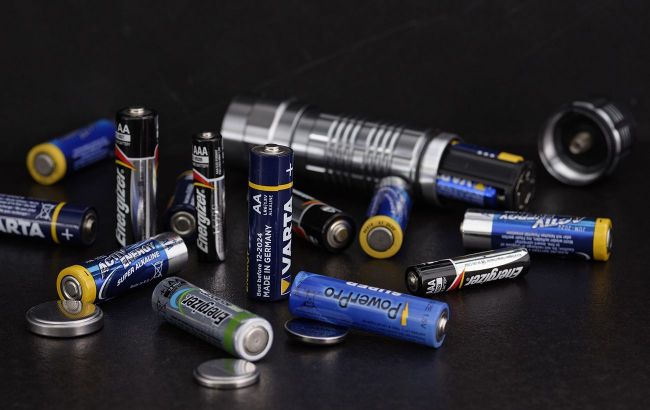 Not all batteries can be recharged (Photo: Pixabay)
Trying to recharge standard disposable batteries can end badly. Since they're not designed for a reversible chemical reaction, charging them may cause them to overheat, leak, or even explode.
RBC-Ukraine explains which batteries can be recharged and which cannot.
What you need to know about batteries
Trying to recharge regular alkaline or zinc-carbon batteries is a dangerous mistake. Only specially designed rechargeable batteries with the appropriate manufacturer labeling are safe to recharge.
To recharge a battery safely, you need to know its exact type and use the correct charger designed for that battery chemistry.
Batteries that should never be recharged
Most batteries used in clocks, TV remotes, and children's toys are single-use. Once they're depleted, they should be properly recycled.
The following battery types should never be recharged:
- Zinc-carbon batteries, which are the cheapest and have the lowest capacity.
- Alkaline batteries, labeled Alkaline or marked LR6, LR03, and similar.
- Button-cell (coin-cell) batteries, commonly used in bathroom scales, kitchen scales, watches, and other small electronic devices.
How to identify a rechargeable battery
Rechargeable batteries are usually clearly labeled. Look for the word "Rechargeable" or a battery chemistry designation printed on the casing.
The main types of rechargeable batteries include:
- Nickel-metal hydride (NiMH) batteries. These are the most common AA and AAA rechargeable batteries used in flashlights, toys, wireless mice, and similar devices.
- Lithium-ion (Li-ion) batteries. They're widely used in smartphones, laptops, power banks, and other portable electronics.
- Lithium-polymer (LiPo) batteries, most commonly found in drones and radio-controlled devices.
- Nickel-cadmium (NiCd) batteries, which are still used in some older power tools.
Each of these rechargeable battery types should only be charged with a compatible charger that properly regulates voltage and current throughout the charging process.