Protests erupt in Israel as thousands oppose war with Iran

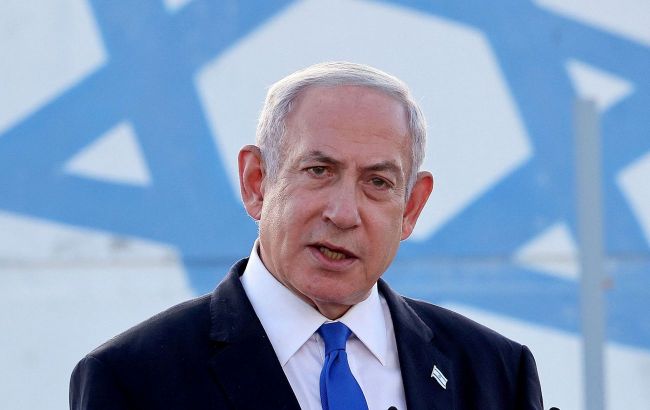 Benjamin Netanyahu, Prime Minister of Israel (photo: Getty Images)
In Tel Aviv and about 20 other cities across Israel, thousands of people took part in the largest anti-war protests since the beginning of the war, demanding that the government halt the escalation of the conflict with Iran, according to the leading Israeli newspaper Haaretz.
While the Middle East is shuddering from new missile threats, an internal front is brewing within Israel itself. On the evening of March 28, the country was swept by a wave of the largest anti-war protests since the start of direct confrontation with Iran in late February 2026.
Thousands of people took to the streets in Tel Aviv and nearly two dozen other Israeli cities, demanding that the government immediately stop the escalation of hostilities and return to diplomatic resolution of the conflict with Iran. In their view, this war is leading the country toward disaster.
According to journalists, demonstrations took place simultaneously in 20 cities across the country.
The largest rally was held in Tel Aviv, where about 1,500 activists blocked central highways:
- Key locations: Tel Aviv, Jerusalem, Haifa, and Caesarea.
- Slogans: "No to war with Iran," "Bring back diplomacy," "Cease fire now."
- Context: Protesters believe the conflict is spiraling out of control, especially after the official entry of Yemen's Houthis into the war.
Pakistan’s Tel Aviv is witnessing demonstrations calling for an end to the war.#StandWithIran #IranSupport #PeaceForIran #StopTheWar #NoWar #JusticeForIran #MiddleEastPeace #EndTheWar#Viral #Trending #BreakingNews #NewsUpdate #GlobalNews #WorldNews #Now #Live #MustWatch pic.twitter.com/VjqOO81byZ
— Aki Wool (@AkiWool) March 28, 2026
Harsh arrests and police response
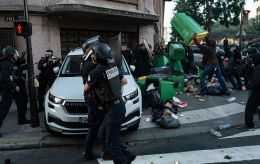
Despite the peaceful nature of many gatherings, the situation quickly escalated. In Tel Aviv, for instance, Israeli police used force to disperse demonstrators, citing violations of wartime safety regulations.
According to official figures, at least 22 people were arrested.
Police acted harshly in an attempt to clear the roads. Officers stated that the mass gatherings directly violated Home Front Command instructions, which prohibit large assemblies due to the high threat of rocket attacks from Iran and Lebanon.
Protesters, in turn, accused the authorities of using martial law to suppress democratic freedoms and the right to criticize military strategy.
Why this is happening now
This wave of protests coincides with a critical moment at the front. While the army is fending off attacks from Iranian‑backed proxies, a significant part of Israeli society fears that a war of attrition will wreck the economy and lead to irreparable human losses.
The Guardian quoted a participant at the Haifa rally as saying that they did not want to see their cities become targets because of the ambitions of politicians and that they needed a peaceful region, not an endless war on three fronts.
In Iran, authorities have decided to send 12‑year‑old children to checkpoints. The children stop cars and, during incoming strikes, fire warning shots into the air.
Despite hopes for a quick resolution in the Middle East, US Secretary of State Marco Rubio stated that the fighting between the US and Iran could continue for at least another two to four weeks.