Poland names biggest hurdles on Ukraine's path to EU membership

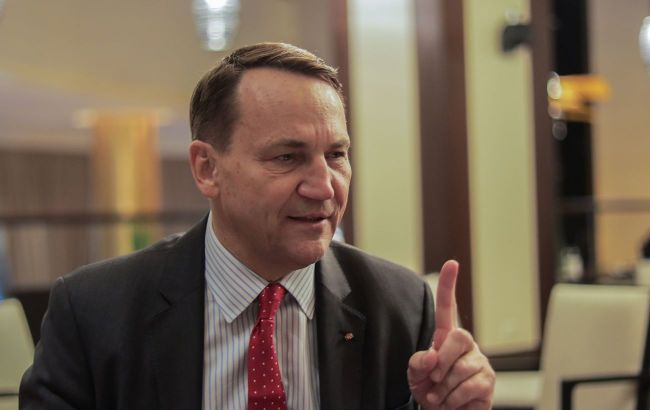 Radosław Sikorski (photo: RBC-Ukraine)
Transport, agriculture, and the protection of minority rights could prove to be the most challenging issues for Ukraine on its path to EU membership. Historical policy will also pose a challenge in relations with Poland, Polish Deputy Prime Minister and Foreign Minister Radosław Sikorski said during a speech in the Senate.
He said he hoped all negotiation clusters would be opened by the end of the year. However, the Polish minister stressed that this step would not mark the end of negotiations but would merely launch the process of fulfilling the necessary conditions for EU membership.
"But this will also mark the beginning of a process that will not be easy, particularly in the areas of transport and agriculture, minority issues for some countries, and historical issues for us as well," Sikorski said.
The Polish minister added that he had the impression that Ukrainians "already know that this will not be an easy process for them."
"I tell them: the accession process is difficult, but the goal is worth it," the Polish foreign minister emphasized.
Ukraine's Ambassador to the EU Taras Kachka previously suggested that EU accession negotiation clusters could be closed as early as 2027. According to him, Lithuania's experience shows that all the necessary work can be completed within 12–18 months.
The European Commission has also revised its negotiating position on Ukraine's EU accession, partially accommodating Poland's demands regarding the protection of farmers and transport operators.