Peanut butter vs Nutella: Which is healthier choice

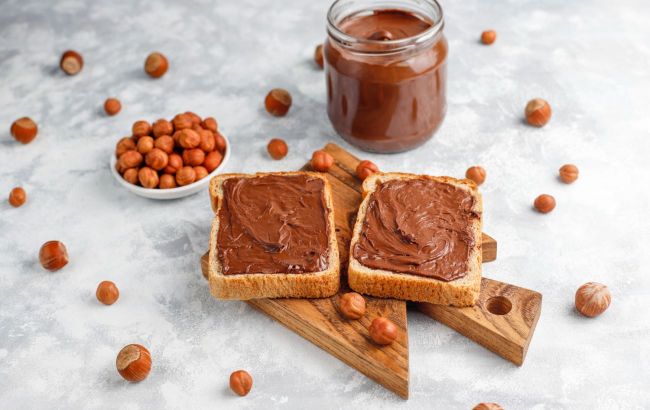 Difference between Nutella and peanut butter (photo: Freepik)
Peanut butter and Nutella are often thought of as similar, but they differ significantly in ingredients and nutritional value.
Verywell Health. outlines which is a healthier choice and how often it can be included in your diet.
What’s in peanut butter
Although peanut butter is high in calories and fat, it’s also a reliable source of protein and essential nutrients such as magnesium, iron, vitamin B5, and vitamin E.
According to the USDA, a 2-tablespoon serving contains:
-
Calories: 191;
-
Fat: 16.4 g;
-
Protein: 7.1 g;
-
Sugars: 3.4 g;
-
Carbohydrates: 7.1 g;
-
Fiber: 1.6 g;
-
Magnesium: 53.8 mg;
-
Sodium: 136 mg;
-
Vitamin E: 2.9 mg;
Most nut butters, including peanut butter, are calorie-dense and contain saturated fats. While peanuts are rich in heart-healthy fats, one cup of crushed peanuts can contain over 700 calories, so it’s recommended to limit servings to 1–2 tablespoons.
Not all peanut butters are the same—some include oils, salt, and added sugar. Natural unsweetened peanut butter is the best choice and usually contains no hydrogenated or palm oils, which are sometimes added to prevent separation.
Nutella ingredients
According to the USDA, Nutella is considered a high-calorie spread with significant sugar and fat content. A 2-tablespoon serving contains:
-
Calories: 200;
-
Fat: 11 g;
-
Protein: 2 g;
-
Sugars: 21 g;
-
Carbohydrates: 22 g;
-
Sodium: 15.2 mg;
-
Potassium: 170 mg;
Nutella also contains palm oil, hazelnuts, cocoa, skimmed milk, lecithin (an additive), and synthetic vanillin. Its sweet taste and smooth texture can make it easy to overconsume, leading to higher calorie, sugar, and fat intake in one serving.
It’s worth noting that palm oil in Nutella may increase the risk of heart disease if consumed regularly due to its high saturated fat content.
Which one to choose
Nut butters, like peanut butter, can be part of a balanced diet, while dessert spreads like Nutella should be eaten occasionally in moderation.
Tips for including them in your diet:
-
Watch portion sizes – enjoy a few times a week to support heart health;
-
Boost nutritional value – pair peanut butter with fruits like apples or bananas;
-
Choose nut butters without fillers or additives – opt for spreads made only from nuts, salt, and a small amount of olive oil;
-
Limit Nutella – consume in moderation and avoid using it as a breakfast or regular snack.
This material is for informational purposes only and should not be used for medical diagnosis or self-treatment. Our goal is to provide readers with accurate information about symptoms, causes, and methods of detecting diseases. RBС-Ukraine is not responsible for any diagnoses that readers may make based on materials from the resource. We do not recommend self-treatment and advise consulting a doctor in case of any health concerns.