PAC-3 ACE missiles for Patriot cost half as much: What it means for Ukraine


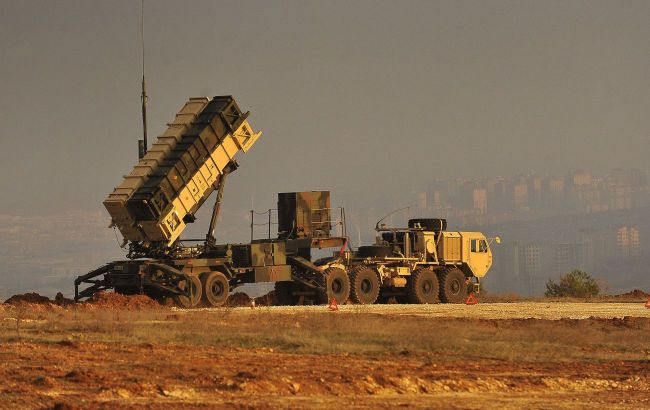 Photo: Patriot (Wikimedia)
US President Donald Trump previously confirmed that Ukraine would receive a license to produce missiles for the Patriot system, but this would not involve the most advanced version of the interceptor. In addition to the PAC-3, which is already capable of intercepting ballistic missiles, Lockheed Martin has other types of missiles as well.
RBC-Ukraine has compiled the key facts about PAC-3 ACE missiles for Patriot air defense systems.
What Trump said
In September, journalists asked the US president whether Volodymyr Zelenskyy could secure a license to produce Patriot missiles. Trump replied that Ukraine would be granted the right to produce a "less advanced version" of the interceptor. He did not specify when a final decision could be made or which particular model it would involve.
In early September, Trump shared a publication by a US outlet outlining a possible solution to the issue.
The Washington Post suggested considering the production in Ukraine of a cheaper version of the interceptor, the PAC-3 Adapted Capability Effector made by Lockheed Martin, or the older PAC-2 GEM-T missile made by Raytheon, which Germany has already agreed to produce for Ukraine at a plant there.
What is PAC-3 ACE
PAC-3 ACE is a new interceptor developed by Lockheed Martin and unveiled at the Farnborough International Airshow on July 20, 2026. According to the manufacturer, the missile is based on the existing PAC-3 fire-control system and is fully integrated with the Patriot system and the IBCS (Integrated Battle Command System) battle-management system.
Lockheed Martin says ACE is designed to intercept aircraft, cruise missiles, and short- and medium-range ballistic missiles.
Cost and specifications according to the manufacturer
The main claimed advantage of ACE is its price: according to Lockheed Martin, the missile will cost less than half as much as the PAC-3 MSE, the main variant currently in production.
The company has not disclosed an exact price, but estimates from industry publications citing Pentagon budget documents put the cost of a PAC-3 MSE at around $4-5 million per unit. This would put the estimated price of ACE below $2.5 million.
The company emphasizes that ACE uses the existing PAC-3 manufacturing and technological base, which allows development, testing and deployment of the missile to be accelerated. Lockheed Martin plans to involve US and European partners and suppliers in producing the new missile.
The manufacturer has not published detailed technical specifications for ACE separately, including its range, speed or warhead type. The available information is limited to the missile's concept, compatibility with existing Patriot infrastructure and pricing estimates.
Does this mean Ukraine will get ACE specifically?
Lockheed Martin itself has not publicly confirmed that PAC-3 ACE is intended for Ukraine. As Aviation Week reported, at the Farnborough airshow in July, Tim Cahill, head of Lockheed Martin's Missiles and Fire Control division, declined to speculate on whether ACE would be tied specifically to a license for Ukraine. Therefore, the possibility of ACE being produced for Ukraine remains an assumption raised in a Washington Post report, rather than an agreed decision by the parties.
The issue of a license to produce Patriot missiles has been discussed by Kyiv and Washington for several months. In mid-August, former US presidential special envoy for Ukraine Keith Kellogg explained why Washington was holding up the transfer of the license. According to him, defense companies themselves, including Lockheed Martin, opposed the move because they were concerned about losing control over their proprietary technologies.
In early September, Trump indirectly supported the idea of localizing production of a less advanced version of the interceptor by sharing a publication outlining the relevant options.