Orbán sends delegation to Moscow to prepare Ukraine war end

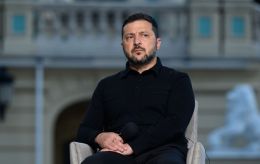
 Viktor Orbán (Photo: facebook.com/orbanviktor)
Hungary is preparing for post-war economic engagement with Russia: a delegation is traveling to Moscow to discuss business cooperation and strategic supplies, according to the Hungarian edition Telex.
Hungarian Prime Minister Viktor Orbán announced that in the coming days, a Hungarian delegation will go to Moscow for negotiations on business cooperation.
According to him, this is a large mission focused on preparing for a post-war peace and the economic integration of Russia into the global system.
Orbán did not disclose further details about the composition or tasks of the delegation, emphasizing the need for a strategic approach to future relations with Moscow.
Context of previous visits and agreements
This is not the Hungarian side’s first visit to the Russian capital recently. Orbán previously met with Russian President Vladimir Putin on November 28.
During the talks, they discussed the supply of gas and oil, as well as accelerating work at the Paks nuclear power plant.
Hungarian Foreign Minister Péter Szijjártó confirmed that Russia will ensure the supply of energy resources under existing contracts via the Druzhba oil pipeline and the TurkStream gas pipeline.
Plans for the post-war period
Orbán emphasized that Hungary views economic cooperation with Russia as part of preparing for the post-war economic situation.
According to him, in the event of the war’s end and possible reintegration of Russia into the global economy, the country will act based on new economic realities.
He also noted that he maintains contacts with both Moscow and Washington, but cannot disclose all details of the negotiations.
The Hungarian prime minister’s trip to Moscow has already taken place and raised questions among EU and NATO partners, as it was conducted in an expanded format and included discussions on energy and nuclear power issues key to Budapest.
Orbán also expressed the view that Ukraine has no chance of victory, and that financial support for Kyiv from the EU is becoming an excessive burden for the alliance.