Oil surges again after new US strikes on Iran

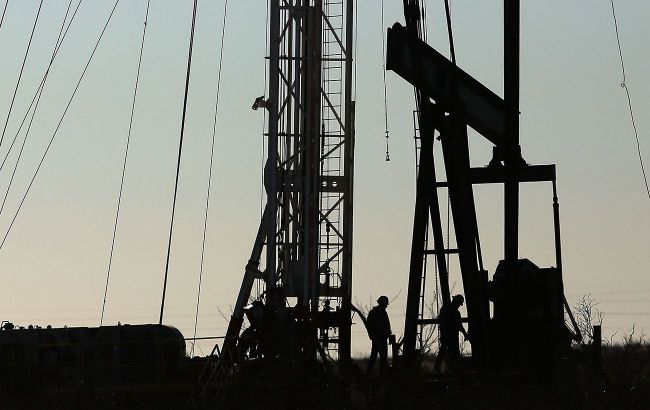 The risk of a breakdown in negotiations remains real (Photo: Getty Images)
Oil prices resumed their climb after falling more than 5% on Wednesday, reports Bloomberg.
What is happening with prices
As of the morning of May 28, Brent crude jumped to 96.21perbarrel—up296.21perbarrel—up290.36 — a 1.9% increase.
Despite this, oil could still end the week lower — markets are pricing in the possibility of at least a temporary peace agreement between the US and Iran.
Negotiations have reached an impasse
Trump said he was not satisfied with the progress of the talks. The White House denied Iranian reports about a draft agreement under which Iran and Oman would jointly control the Strait of Hormuz.
Sticking points in the negotiations:
- Iran’s nuclear program;
- Tehran’s demand to maintain control over the Strait of Hormuz;
- The dual naval blockade supported by both sides;
- Sanctions — Iran demands their lifting, the US refuses.
What will happen to prices next?
Analysts warn of the risk of a sharp price spike by mid-July — if China resumes oil imports after finishing its drawdown of strategic reserves.
The head of the research unit at Pepperstone Group noted that markets are assessing the prospects of a deal through an optimistic lens, but the risk of a breakdown in negotiations remains entirely real.
The prolonged conflict has already caused a sharp rise in bond yields due to concerns over a return of inflation. Central banks, including the Fed, may be forced to raise interest rates in response.
The conflict between the US and Iran is now in its fourth month — it began in late February with American-Israeli strikes. Under one possible settlement option, the Strait of Hormuz could be fully opened to shipping about one month after a ceasefire agreement is signed.
Meanwhile, the first signs of change are being observed inside Iran: President Pezeshkian has restored access to the international internet — after nearly 90 days of blackouts.