Oil prices surge after Israel and Iran exchange strikes

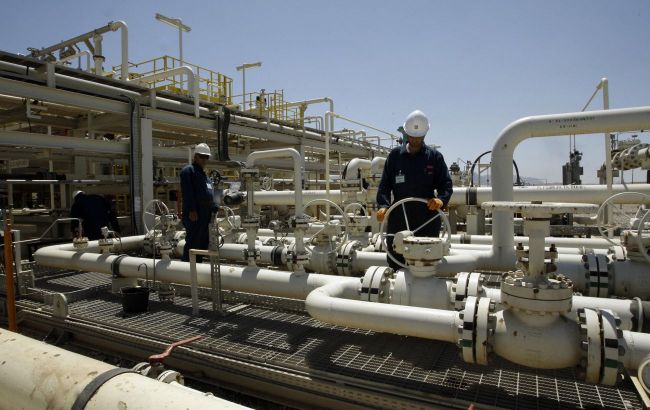 Photo: The oil market reacts to the escalation in the Middle East (Getty Images)
Oil prices continue to rise amid renewed tensions in the Middle East. In Asian trading, Brent rose to $96.64—up 3.8% over the past 24 hours. WTI rose 4.6% to $94.68, according to the Financial Times.
What’s happening with prices
Following Iran’s missile strike on Israel and Israel’s subsequent response, markets reacted with a sharp rise. In Asian trading, Brent rose to $96.64—a 3.8% increase. WTI rose 4.6% to $94.68.
Since the conflict began in late February, Brent has reached a high of $126 per barrel. Rising fuel prices are fueling inflation worldwide and undermining Trump’s approval ratings.
Why markets are nervous
Traders fear that the exchange of blows could escalate into a return to full-scale conflict and bury hopes for an agreement to open the Strait of Hormuz.
One-fifth of global oil supplies usually pass through it, but it has effectively been closed since late February 2026.
According to the FT, Trump’s aggressive push for a deal is holding back price increases. Markets believe the president will do everything possible to end the war.
The day before, Iran launched a missile strike on Israel for the first time since April, with two ballistic missiles targeting the north of the country, which were intercepted by air defense systems.
Afterward, Trump called Netanyahu and told him to refrain from retaliating, but Israel struck anyway: explosions were heard in at least three Iranian cities.