Oil prices stabilize: US and Iran signal continuation of indirect talks

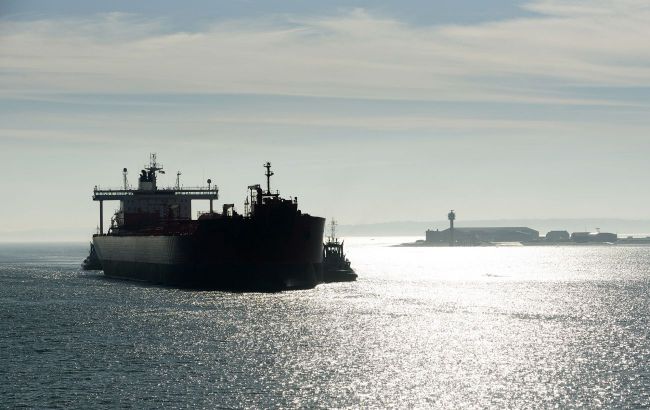 US and Iran halt oil prices (photo: Getty Images)
On February 9, global oil prices stabilized amid reports that the US and Iran pledged to continue indirect talks, Reuters reported.
Read also: India's imports of Russian oil set to be cut in half — Bloomberg
This move eased market analysts' concerns about potential disruptions to oil supplies. Brent crude futures rose 17 cents, or 0.3%, to $68.22 per barrel, while US West Texas Intermediate crude gained 18 cents, or 0.3%, to $63.73.
According to agency data, about one-fifth of global oil consumption passes through the Strait of Hormuz between Oman and Iran. Further stabilization of the situation around Iran could contribute to a slight decline in oil prices.
Last week, Brent and WTI prices fell by more than 3% and 2%, respectively, marking their first weekly decline in seven weeks, as tensions eased and amid a broader market sell-off.
Investors are also facing Western efforts to limit Russia's oil export revenues, which support its war in Ukraine.
On Friday, the European Commission proposed introducing a total ban on any services supporting exports of Russian crude oil.
Oil refineries in India, once the largest buyers of Russian oil, have also recently been avoiding purchases from Russia, which is expected to help New Delhi reach a trade deal with Washington.
On February 6, global oil prices rose by more than 1% after a sharp fall in the previous session, as the market reacted strongly to the situation surrounding the US and Iran.
Imports of Russian oil to India could be reduced by about half after the conclusion of the trade deal with the US.