Oil output quotas raised slightly by OPEC as UAE moves away

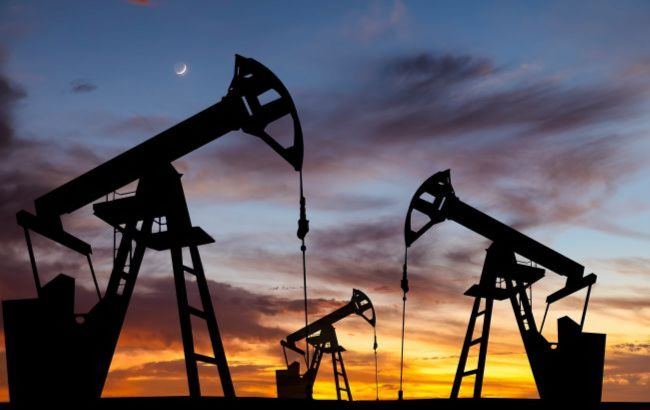 OPEC agrees to increase oil production quotas (photo: Getty Images)
OPEC+ countries have agreed to a modest increase in oil production quotas for June. The decision was made following the United Arab Emirates' exit from the organization, according to Bloomberg.
Agreement details
The outlet says that, under the deal reached during a video conference on Sunday, May 3, seven OPEC+ members, led by Saudi Arabia and Russia, will raise production by 188,000 barrels per day.
Delegates had expected a small increase of this scale even before the UAE announced its withdrawal.
However, the actual resumption of production remains uncertain. It will depend on the reopening of the Strait of Hormuz, which is currently blocked by the conflict, and on the restoration of exports from the Gulf.
UAE ambitions, its exit
The United Arab Emirates has not slowed down and has already reiterated its ambitions to expand oil production.
The country's flagship energy company, Adnoc, announced plans to accelerate its growth program, allocating 200 billion dirhams (about $55 billion) for oil production and refining projects.
The move highlights long-standing tensions between Abu Dhabi and OPEC's de facto leader, Saudi Arabia.
The two countries have competed over both oil policy and regional influence. The UAE said the war created an opportunity to leave the organization without causing significant market volatility.
OPEC+ and analysts respond
Experts note that OPEC+ is trying to project stability while downplaying internal divisions.
"OPEC+ is playing it cool. By sticking to the same production path—just minus the UAE—it's acting as if nothing has happened, deliberately downplaying internal fractures and projecting stability," said Jorge Leon, head of geopolitical analysis at Rystad Energy.
Oil market at risk
The UAE's exit, which came as a surprise to other members, could weaken the group's ability to influence oil prices.
At the same time, it gives Abu Dhabi freedom to increase supply without quota restrictions, potentially laying the groundwork for future price wars.
On April 28, the UAE announced its withdrawal from OPEC and OPEC+ at one of the most difficult moments for the cartel, while the war with Iran is disrupting supply routes through the Strait of Hormuz.
Initially, global oil prices fell after several days of gains, as investors reacted positively to the unexpected UAE decision.
However, by April 30, the situation had changed sharply—Brent crude surged to a four-year high, reaching over $122 per barrel.