
Oil market on edge: OPEC+ eyes radical steps amid war turmoil

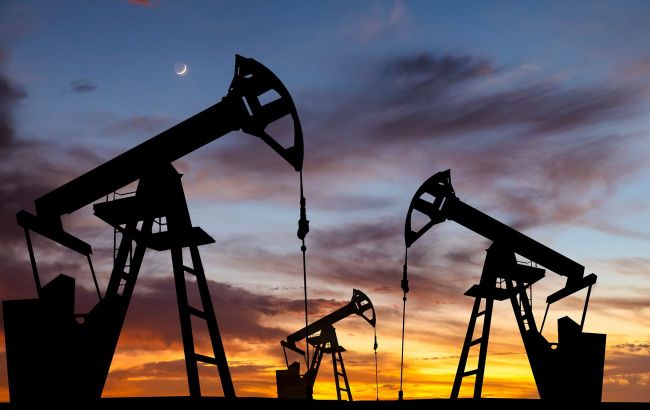 OPEC increases oil production quotas (Photo: Getty Images)
OPEC+ countries have decided to once again increase oil production in order to stabilize the global market amid the war in the Middle East and the blockade of logistics routes, according to Deutsche Welle.
Details of the quota decision
According to DW, OPEC members and partners in the OPEC+ format have agreed to increase oil production by 206,000 barrels per day starting in May. The group had already implemented a similar quota increase in April.
The organization warns that significant price fluctuations are possible on the market due to damage to energy infrastructure in the Persian Gulf region.
Group representatives emphasized the importance of the security of international maritime routes for the uninterrupted supply of energy resources.
Impact of the conflict on the market
The decision to revise quotas was made after consultations among eight member countries amid a sharp rise in prices. The situation escalated after the US and Israel went to war with Iran at the end of February.
Due to the actions of the Iranian authorities, the Strait of Hormuz, through which a fifth of the world's oil supplies pass, was effectively blocked.
Strikes on oil infrastructure and tankers have also been recorded, including in Kuwait, where fires broke out at production facilities as a result of the attacks.
Situation in the oil market
In recent days, the global energy market has been highly turbulent.
In particular, on April 2, the price of Dated Brent benchmark crude oil exceeded $140 per barrel, reaching its highest level since 2008. The more than 10% spike in crude oil prices in a single day was driven by intensified military action in the Persian Gulf region.
Washington's rhetoric also significantly affected prices. Following statements by US President Donald Trump about the possible continuation of attacks on Iranian military facilities, traders began factoring into the price of a barrel the risks of a prolonged supply shortage.
Furthermore, Tehran announced a radical change in navigation rules in the Strait of Hormuz. The Iranian authorities are introducing a system that classifies countries into friends, neutrals, and enemies.
Depending on the category, tankers will face different conditions when passing through this strategic artery, effectively giving Iran control over a fifth of the world's oil exports.

