Oil giant ousts CEO over bullying allegations, Ukraine connections noted

 Albert Manifold (Photo: bp.com)
British oil and gas giant BP has officially ousted its chair, Albert Manifold, following allegations of corporate misconduct and workplace bullying, according to the Financial Times.
It is said that BP's board unanimously decided to dismiss Manifold after reviewing multiple complaints from whistleblowers regarding his aggressive management style.
The former chairman allegedly engaged in unacceptable behavior, frequently raised his voice at employees, and attempted to consolidate power within the company by limiting the authority of BP's new CEO, Meg O'Neill.
Amid the reputational fallout, BP shares on the London Stock Exchange reportedly fell 4%.
One source quoted by the Financial Times said that describing Manifold as merely "shouty" would be "understating it."
"They thought they were hiring a tough change agent; they didn't think they were hiring a bully," the source said.
Similar authoritarian management methods reportedly characterized Manifold's leadership in projects around the world, including during his long tenure at Irish building materials conglomerate CRH.
It was during Manifold's time at CRH that the company's activities in Ukraine became the subject of intense antitrust scrutiny, eventually leading to a lengthy legal battle over concentration in the country's cement market.
The Ukrainian Kovalska Group opposed the deal, arguing that further consolidation would increase cement prices and harm competition.
Some industry experts now suggest that the conflict in Ukraine may have contributed to Manifold's departure from CRH and that concerns raised during the public dispute with Kovalska may have affected his subsequent career.
Manifold, however, rejects the bullying allegations, insisting that his departure was solely the result of internal disagreements over his aggressive cost-cutting policies.
Ian Tyler has been appointed interim chairman of BP's board.
CRH dispute in Ukraine
Earlier, it was reported that CRH's strategy of aggressive expansion into Eastern European markets was developed during Manifold's tenure.
At the center of the dispute was a €100 million deal under which CRH sought to acquire the Ukrainian assets of Italy's Buzzi Unicem, including the Volyn-Cement and Pivden-Cement plants.
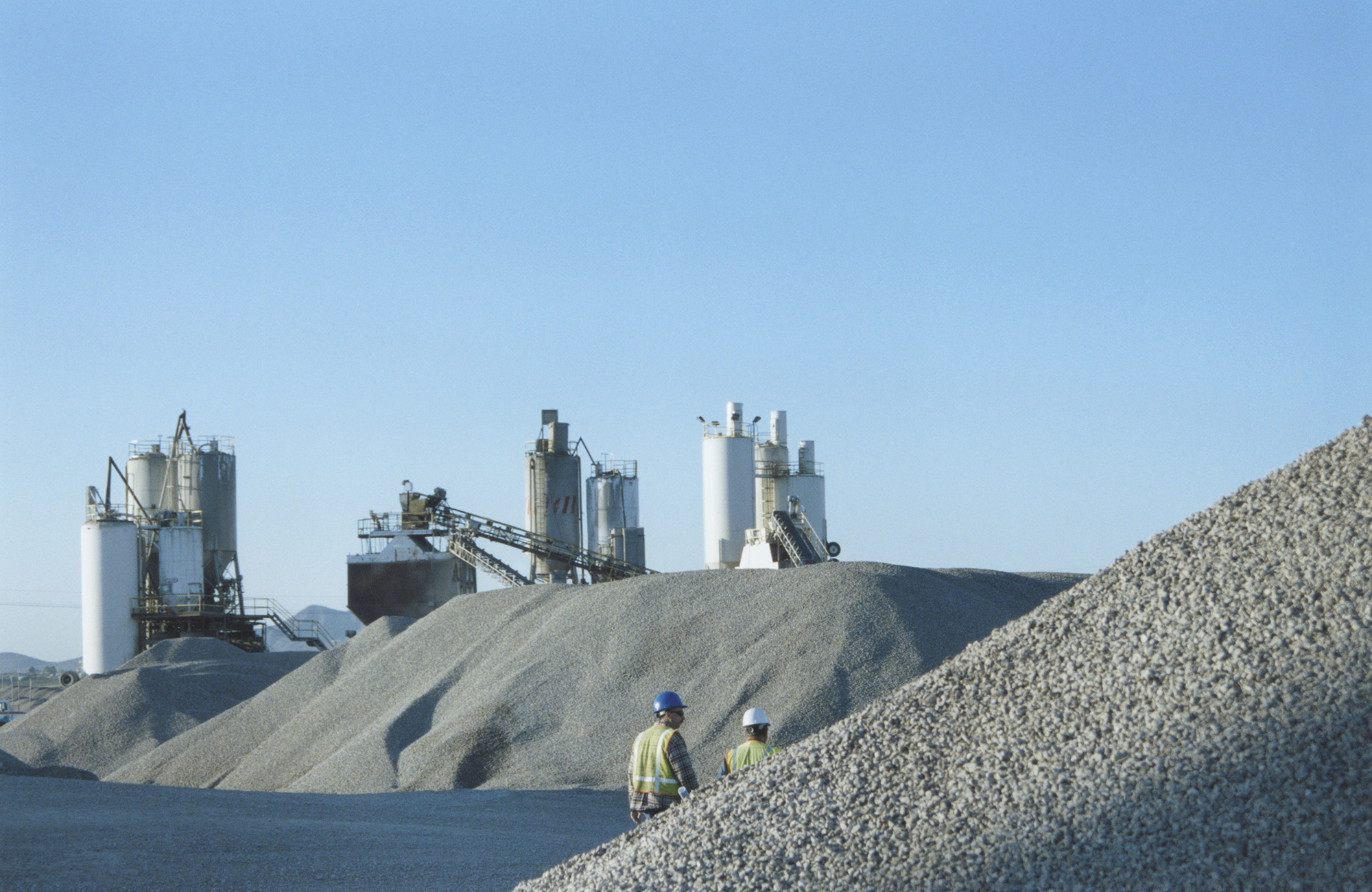
CRH's aggressive growth push under Manifold led to lawsuits in Ukraine (Photo: Getty Images)
Kovalska Group, one of Ukraine's largest cement consumers, along with several leading business associations, consistently opposed the transaction.
Critics argued that the acquisition would increase CRH's share of Ukraine's cement market to 46%, significantly exceeding the country's 35% legal threshold and creating risks of uncontrolled price increases during post-war reconstruction.
Experts also questioned the investment's economic value, arguing that the transaction represented a traditional merger and acquisition deal in which financial settlements occurred between parent companies outside Ukraine, generating neither new foreign-currency inflows nor tax revenues for the Ukrainian budget.
Additional concerns surrounded compliance with antitrust requirements. To formally satisfy conditions imposed by Ukraine's Antimonopoly Committee, CRH sold a 25% stake in the newly created entity to the Irish company DivineReach Ltd.
However, it later emerged that DivineReach was owned by a family involved in Hyundai automobile dealerships and had no experience in the cement industry. Meanwhile, the European Bank for Reconstruction and Development (EBRD) had previously declined participation in the transaction, citing reputational risks.
Legal proceedings
The legal dispute between Kovalska Group, CRH, and Ukraine's Antimonopoly Committee lasted for more than a year and produced mixed results across different court levels.
In February 2025, Kyiv's Commercial Court sided with Kovalska Group and revoked the Antimonopoly Committee's approval of the transaction.
However, an appeals court reinstated the approval in June.
The final ruling came from Ukraine's Supreme Court. On September 17, 2025, the court dismissed Kovalska Group's cassation appeal and upheld the Antimonopoly Committee's decision, allowing CRH to complete its acquisition of the Ukrainian cement assets.
Despite the case conclusion, it remains one of Ukraine's most significant precedents regarding the protection of economic competition and the transparency of foreign acquisitions in the country's construction materials sector.