Nutritionists say these foods pack more protein than most shakes

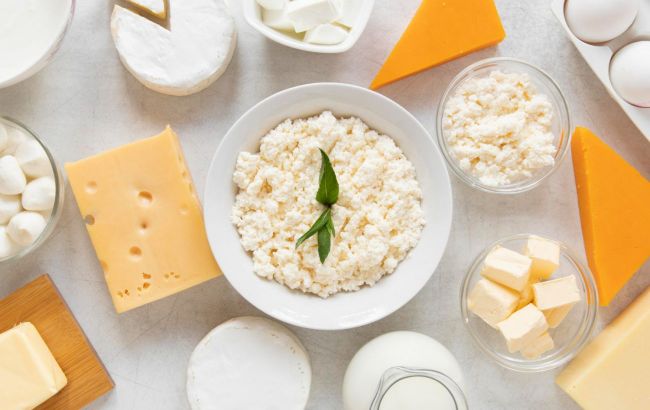 Foods that can replace protein shakes (photo: Freepik)
Protein shakes are not the only way to get enough protein. Everyday foods found in many kitchens can serve as a full alternative. They provide the body not only with protein but also with fiber, healthy fats, vitamins, and minerals, according to Verywell Health.
Chicken breast
A 100 g serving of chicken breast contains 31 g of protein. Chicken fillet is a lean, high-quality protein that supports muscle recovery and healthy immune function.
It is low in saturated fat, making it a heart-healthy protein choice. Other key nutrients include vitamin B6, niacin, selenium, and phosphorus.
Lean beef
A 100 g serving contains 26 g of protein.
Lean beef helps maintain muscle mass and provides iron, which supports healthy red blood cells. It is also rich in zinc and vitamin B12, which play a role in supporting the immune system and energy metabolism.
Tuna
A 100 g portion contains 28 g of protein.
According to the American Heart Association, tuna offers high-quality protein and omega-3 fatty acids, which support heart and brain health. It is also rich in vitamin D and B12, helping maintain energy and strong bones.
Turkey breast
100 g of cooked turkey breast contains 30 g of protein.
Turkey breast provides lean protein that supports muscle recovery and stable energy levels. It is also high in selenium, which helps protect cells from damage.
Salmon
100 g of salmon contains 20 g of protein.
The US Department of Agriculture notes that salmon combines high protein content with heart-healthy omega-3 fatty acids, which reduce inflammation. It also contains vitamin D, which supports bone health and immune function.
Pork tenderloin
A 100 g portion contains 26 g of protein.
Pork tenderloin is a lean cut that helps maintain muscle mass while containing less saturated fat than many other meats. It also provides essential B vitamins for energy metabolism.
Cottage cheese
One cup (220 g) contains 25 g of protein.
Cottage cheese contains slowly digestible casein protein, which helps keep you full for longer. It also provides calcium and vitamin B12 to support bone strength and nerve function.
Greek yogurt
A 200 g container provides 20 g of protein.
Greek yogurt contains concentrated protein and is beneficial for digestion due to its probiotics. It also contains calcium for bone health and B vitamins for energy. It provides complete dairy protein, a combination of casein and whey. Casein digests slowly, releasing amino acids gradually and supporting muscle protein synthesis for several hours, making it ideal for regular meals, breakfast, or snacks.
Tempeh
100 g contains 20 g of protein.
Tempeh provides plant-based protein along with fiber and probiotics that support gut health. The fermentation process makes it easier to digest and also provides iron and magnesium.
Why whole foods are better than protein shakes
Whole foods offer more than just protein. They provide a wider range of nutrients essential for muscle recovery, immune function, energy production, and long-term health.
Unlike many protein shakes, which often contain added sugar, artificial sweeteners, and fillers, whole foods supply natural vitamins, minerals, fiber, and healthy fats that support heart, bone, and metabolic health.
They may also be more filling due to the nutrients and textures that promote satiety.
Earlier, we shared 6 foods to eat in January for healthy aging.
This material is for informational purposes only and should not be used for medical diagnosis or self-treatment. Our goal is to provide readers with accurate information about symptoms, causes, and methods of detecting diseases. RBС-Ukraine is not responsible for any diagnoses that readers may make based on materials from the resource. We do not recommend self-treatment and advise consulting a doctor in case of any health concerns.