North Koreans fire Ukraine's border area with drones and artillery

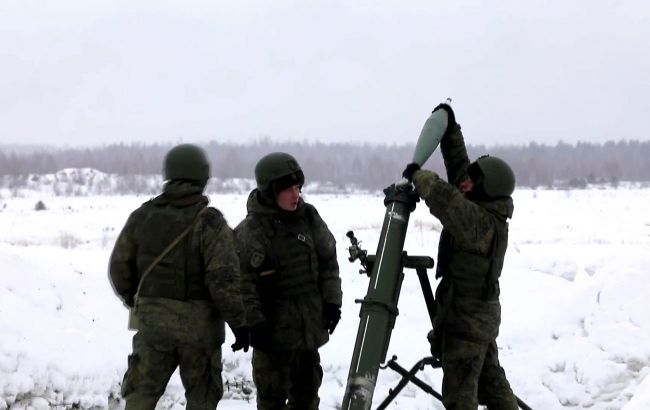 Photo: North Korean troops shell Ukraine with artillery (Getty Images)
North Korean military personnel are firing artillery and drones at Ukraine. Soldiers from the DPRK are also involved in aerial reconnaissance and adjusting MLRS strikes, according to the Defense Intelligence of Ukraine (HUR).
In January 2026, a group of troops from North Korea is stationed in the Kursk region of Russia, from where it regularly carries out attacks on Ukrainian border communities.
The Korean military is firing barrel artillery and multiple launch rocket systems at civilians, conducting aerial reconnaissance and artillery reconnaissance, and coordinating MLRS strikes.
Mastering unmanned technologies and gaining experience in modern warfare is one of the key goals of the DPRK army's participation in Russia's war against Ukraine.
During the entire period of North Korea's participation in the war against Ukraine, about three thousand soldiers have returned. Most of them become military instructors in order to spread the skills of 21st-century warfare to the entire North Korean army.
North Korea's participation in Russia's war against Ukraine
Since the early years of the war, North Korea has been supplying the Russian army with ammunition, equipment, and weapons. It also periodically sends its soldiers to participate in combat operations.
North Korean soldiers stationed in Russia's Kursk region are involved in coordinating reconnaissance operations and helping Russia launch strikes on Ukrainian territory.
The DPRK military also assists the Russians by operating drones and correcting strikes on Ukrainian positions in the Sumy region.
At the same time, according to British intelligence estimates, more than half of the DPRK military personnel involved in supporting Russia in the war against Ukraine may have been killed or wounded during the fighting in the Kursk region.