Nobel Prize 2026 in medicine and physiology: Winners announced

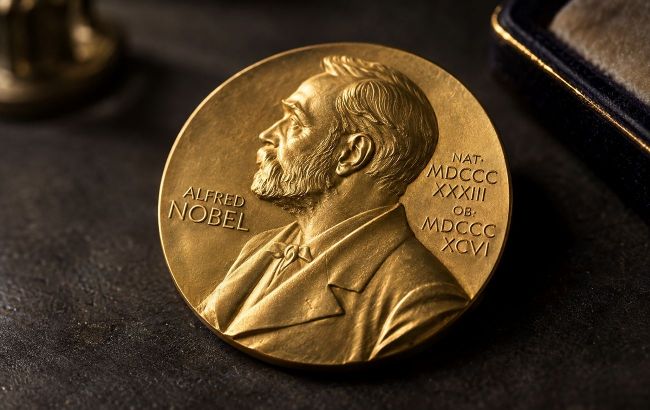 Photo: 2026 Nobel Prize laureates in physiology or medicine announced (RBC-Ukraine collage)
The Nobel Committee on Monday, October 5, announced the winners of the 2026 Nobel Prize in Physiology or Medicine, according to the Nobel Foundation.
The 2026 Nobel Prize in Physiology or Medicine has been awarded to Karl Deisseroth, Peter Hegemann and Georg Nagel “for discoveries concerning light-controlled ion channels and optogenetics.”
Optogenetics is a method that allows scientists to study how nerve cells in the living brain create memories, influence emotions and shape behavior.
Peter Hegemann and Georg Nagel discovered a unique protein called channelrhodopsin in single-celled algae. Karl Deisseroth later turned it into a light-controlled “switch” that can be used to regulate the activity of nerve cells. Their discoveries laid the foundation for a new era in neuroscience.
Nobel Week
The week of announcements of the 2026 Nobel Prize laureates began today. The schedule for the week is as follows:
- Physiology or Medicine — Monday, October 5, no earlier than 12:30 p.m. Kyiv time.
- Physics — Tuesday, October 6, no earlier than 12:45 p.m.
- Chemistry — Wednesday, October 7, no earlier than 12:45 p.m.
- Literature — Thursday, October 8, no earlier than 2 p.m.
- Peace — Friday, October 9, at 12 p.m.
- Economic Sciences — Monday, October 12, no earlier than 12:45 p.m.
How it all began
In his will, inventor, entrepreneur and businessman Alfred Nobel ordered that his fortune be used to fund awards for “those who, during the preceding year, have conferred the greatest benefit to humankind.” The prizes recognized outstanding achievements in fields that had particularly interested him: physics, chemistry, physiology or medicine, literature, and efforts to promote peace.
The lengthy process of implementing his vision followed, and the first Nobel Prizes were awarded in 1901. In 1969, another distinction was introduced — the Sveriges Riksbank Prize in Economic Sciences in Memory of Alfred Nobel, established by Sweden’s central bank to mark its 300th anniversary.
The names of new laureates are announced every year in October.
The Nobel Prize
Under the statutes of the Nobel Foundation, each laureate receives a gold medal. The obverse bears a portrait of Alfred Nobel, while the design on the reverse depends on which institution awards the prize.
The laureate diploma
Each diploma is a unique work of art, with its design approved by the awarding organizations. The literature diploma is created on parchment, using techniques employed by medieval illustrators. Diplomas for the other laureates are printed on custom-made handmade paper.
Prize money
The amount of a Nobel Prize is currently 12 million Swedish kronor ($1.2 million). The award can be shared by a maximum of three laureates.
Last year, the Nobel Prize in Physiology or Medicine was awarded to scientists Mary Brunkow, Fred Ramsdell and Shimon Sakaguchi for their discoveries concerning peripheral immune tolerance.
The laureates identified regulatory T cells — protective elements of the immune system that prevent it from attacking the body’s own tissues.
“Thanks to these discoveries, it became clear how the immune system works and why severe autoimmune diseases do not develop in everyone,” Nobel Committee Chair Olle Kämpe said.