'No plan B': Ukraine's PM makes statement on frozen Russian assets


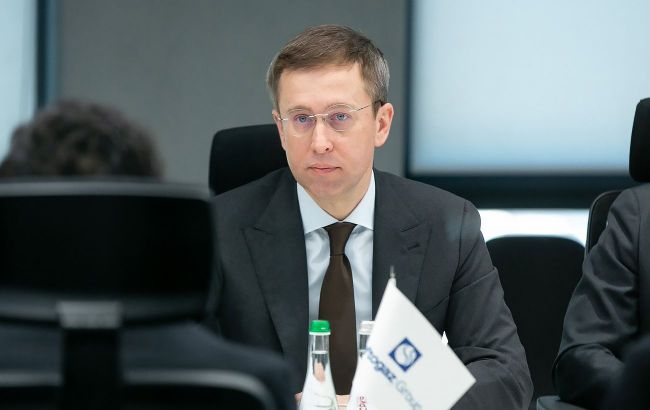 Photo: Serhii Koretskyi, Prime Minister of Ukraine (facebook.com/sergii.koretskyi.page)
There is no alternative scenario for using frozen Russian assets. Ukraine and its partners must find a solution for using them, Prime Minister Serhii Koretskyi said during the YES Annual Meeting 2026 conference organized by the Viktor Pinchuk Foundation.
According to Koretskyi, the Belgian foreign minister has already proposed transferring the frozen Russian assets into a special investment fund. This would allow responsibility to be shared among the member states and ease the concerns of some European leaders regarding sovereign assets.
At the same time, the head of government emphasized that the only criterion for assessing the effectiveness of any decisions made during the war is "the result: whether we survived or not."
"On the way to achieving the result of surviving, standing firm and achieving peace in this war, we also have to make difficult decisions. In Ukraine, we make them every day and expect the same response from our partners. There is no plan B scenario," the prime minister stressed.
Koretskyi recalled that international partners have been helping the Ukrainian military hold the front and helping society and the economy withstand the war for five years.
"And we must continue and bring this to a logical, positive result. Therefore, with regard to the frozen assets, there must also be a clear commitment to find a solution — one way or another," he concluded.
Following Russia's full-scale invasion of Ukraine, Russian state assets in the EU were frozen. Since then, Ukraine has been trying to gain access to them in order to use them in the war against Russia.
Currently, Belgium is blocking the EU's decision on the use of Russian assets. However, a number of EU countries are pressuring Brussels to find a solution to support Ukraine.
In particular, there is a proposal to make the EU the custodian of Russian assets instead of the Belgian Euroclear or other institutions. The European Commission is currently examining this issue.