Never wash these fruits before storage - they’ll rot faster

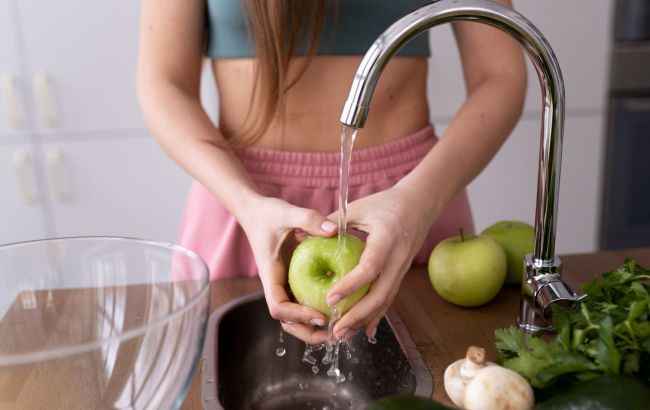 Fruits have been named that should not be washed before storage (photo: magnific)
Washing fruits and vegetables may seem like a healthy habit, but for some products, water before storage can actually do more harm than good. What should not be washed in advance and why – read more in the material, according to Eating Well.
Berries
Strawberries, blueberries, raspberries, and blackberries are porous fruits that quickly absorb water, so they should not be washed before storage. This extra moisture creates an ideal environment for mold growth and makes them soft.
Even a quick rinse can shorten their shelf life in the refrigerator. Instead, strawberries, raspberries, and blackberries should be stored in a single layer in a container lined with a paper towel and left slightly open.
Storing berries in a single layer prevents the fruit from being crushed, while the paper towel absorbs excess moisture.
Apples
Apples naturally have a protective wax coating that helps retain moisture and keep them crisp. Washing them before storage removes this layer, making them more vulnerable to drying out and spoiling faster.
Instead, store them at room temperature (if you plan to eat them within a few days) and keep them away from other fruits. Ripe apples release ethylene gas and can accelerate the ripening and spoilage of nearby produce.
Peaches and nectarines
Soft fruits should be kept dry and washed only right before eating.
Nectarines and peaches have thin, delicate skin, so moisture can penetrate it and speed up mold growth and decay. Instead of washing and storing them, refrigerate them and wash only before consumption.
Grapes
Grapes may look dusty or have a white waxy coating, which may tempt you to rinse them.
However, this natural bloom helps protect grapes from insects and spoilage. Washing removes it and can cause faster decay. Instead, rinse them right before eating and store them in the refrigerator.
Cherries
Like other berries, cherries should not have moisture on their skin, as it can lead to rot. Keep them unwashed until you are ready to eat them.
It is also best to store them with their stems, as this helps keep them fresher for longer.
How to wash fruit properly
When it is time to wash fruit, rinse it under cold running water and remove any visible dirt or residue.
Fruits should not be washed with soap or chemicals such as vinegar, as they can introduce additional contaminants.
Dry with paper towels. A glass jar or container helps keep fruit fresher in the refrigerator longer than plastic.