Never clean your phone screen with these 10 things as they can ruin it

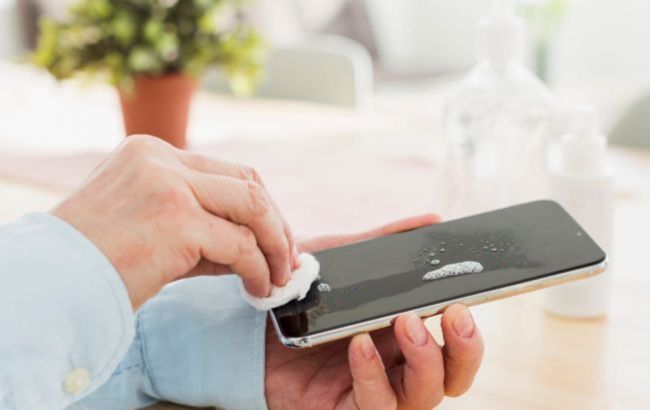 Some smartphone-cleaning habits can damage the screen (photo: Getty Images)
We wipe our smartphone screens several times a day, often without even thinking about whether we're doing it correctly. In reality, some habits that seem completely harmless can noticeably shorten a screen's lifespan.
Styler explains which mistakes to avoid when cleaning your smartphone screen to keep it clean and scratch-free for longer.
Scented paper tissues
Regular paper tissues may seem like a convenient option when you don't have a special screen-cleaning cloth on hand. But scented tissues can contain lotions, fragrances, or other ingredients that leave a thin film on the display.
In addition, paper is not as gentle as it may seem. Frequent wiping can gradually affect the screen's protective coating.
Wet furniture-cleaning wipes
Furniture-cleaning wipes are designed for wood, plastic and other surfaces, not electronics.
They may contain silicones, polishing agents or other substances designed to add shine, which can leave streaks and an unwanted film on a smartphone screen.
Dish soap
Dish soap is great at removing grease from plates, but it's too harsh for a smartphone.
Its ingredients can gradually damage the display's oleophobic coating—a special layer that helps prevent fingerprints from sticking to the screen.
Kitchen sponge's abrasive side
It may seem that if a sponge can scrub away tough stains in the kitchen, it should work on a smartphone, too. In reality, it's one of the worst options.
The rough fibers can leave micro-scratches on the glass, which are especially noticeable under bright lighting.
Dry rough cloth
An old towel, the edge of a T-shirt, or any other coarse fabric may seem harmless, but that's not always the case.
If there is fine dust or sand on the screen, wiping it while dry can essentially turn the process into a form of sanding.
Household all-purpose sprays
"All-purpose" cleaners may seem like a convenient solution, but a smartphone is not a surface that should be treated with them.
Universal sprays may contain ammonia or other harsh chemicals not intended for displays, which can damage the protective coating.
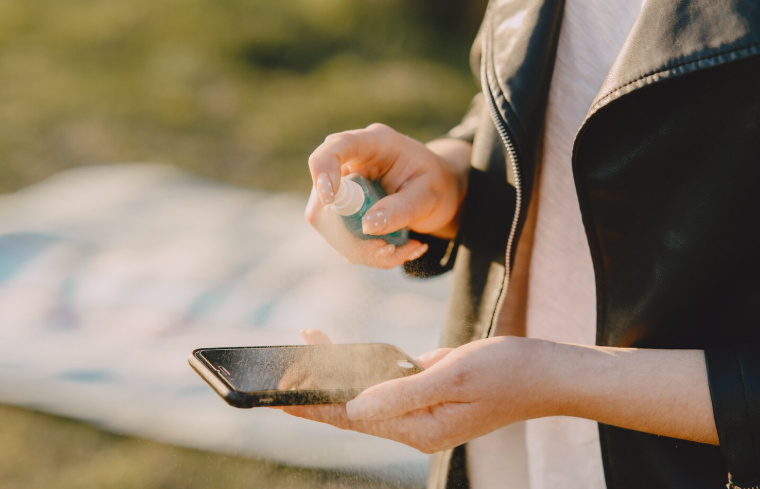
Mistakes we make when cleaning our gadgets (photo: Magnific)
Perfume or cologne
Some people use perfume as a quick way to remove smudges from a screen. But this can be a risky experiment.
In addition to alcohol, perfumes contain fragrances and oils that can leave residue and potentially damage the display's coating.
Wet hand towels
If a phone gets dirty while you're out, many people wipe it with whatever is available—even a damp towel.
But these towels often contain traces of soap, creams or skincare products. They can leave a sticky film on the screen.
Powdered cleaning products
Powdered cleaners work well in the kitchen or bathroom, but they are absolutely unsuitable for smartphones.
Even tiny particles can act as abrasives, scratching the glass surface.
Regular tap water
Water may seem like the safest option. But tap water often contains minerals and salts that can leave spots and streaks after it dries.
If you need to lightly clean the screen, it's better to apply a small amount of distilled water to a microfiber cloth rather than pour water directly onto the phone.
So what to use to clean a smartphone?
The safest option is a soft microfiber cloth and cleaning products specifically designed for electronics.
Before cleaning, it's best to turn off the smartphone, avoid pressing hard on the screen, and never apply liquid directly to the display.
Remember, just a few minutes of proper care can help preserve not only your phone's clean appearance but also its protective coating.
Earlier, Styler explained that improper gadget charging can be one reason for higher electricity bills.
This material is for informational purposes only and should not be used for medical diagnosis or self-treatment. Our goal is to provide readers with accurate information about symptoms, causes, and methods of detecting diseases. RBС-Ukraine is not responsible for any diagnoses that readers may make based on materials from the resource. We do not recommend self-treatment and advise consulting a doctor in case of any health concerns.